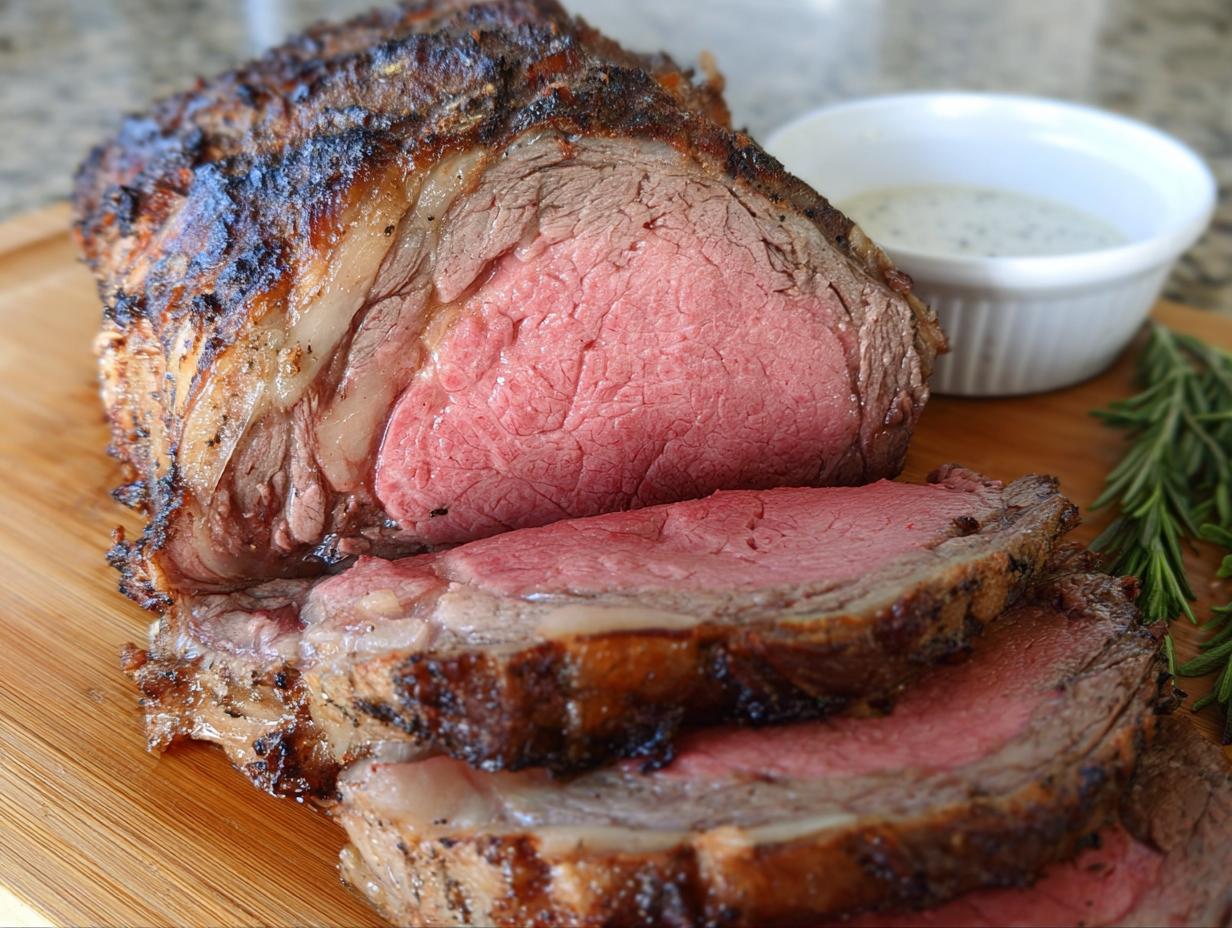
Ever looked at a giant, beautiful prime rib roast and felt that little flutter of terror mixed with excitement? Me too! That first time I tackled a prime rib for a family holiday dinner, I was buzzing but definitely anxious. I studied every cooking time and temperature guide out there, trying to lock down that perfect medium-rare finish. It felt like a culinary mission! But trust me, after that first success—when the aroma filled the entire house and everyone gasped when I carved into that glossy, perfectly pink roast—it became my favorite tradition. That experience taught me the secret to nailing the Prime Rib Time & Temp Chart — Medium-Rare Every Time, and that’s what I want to share with you today!
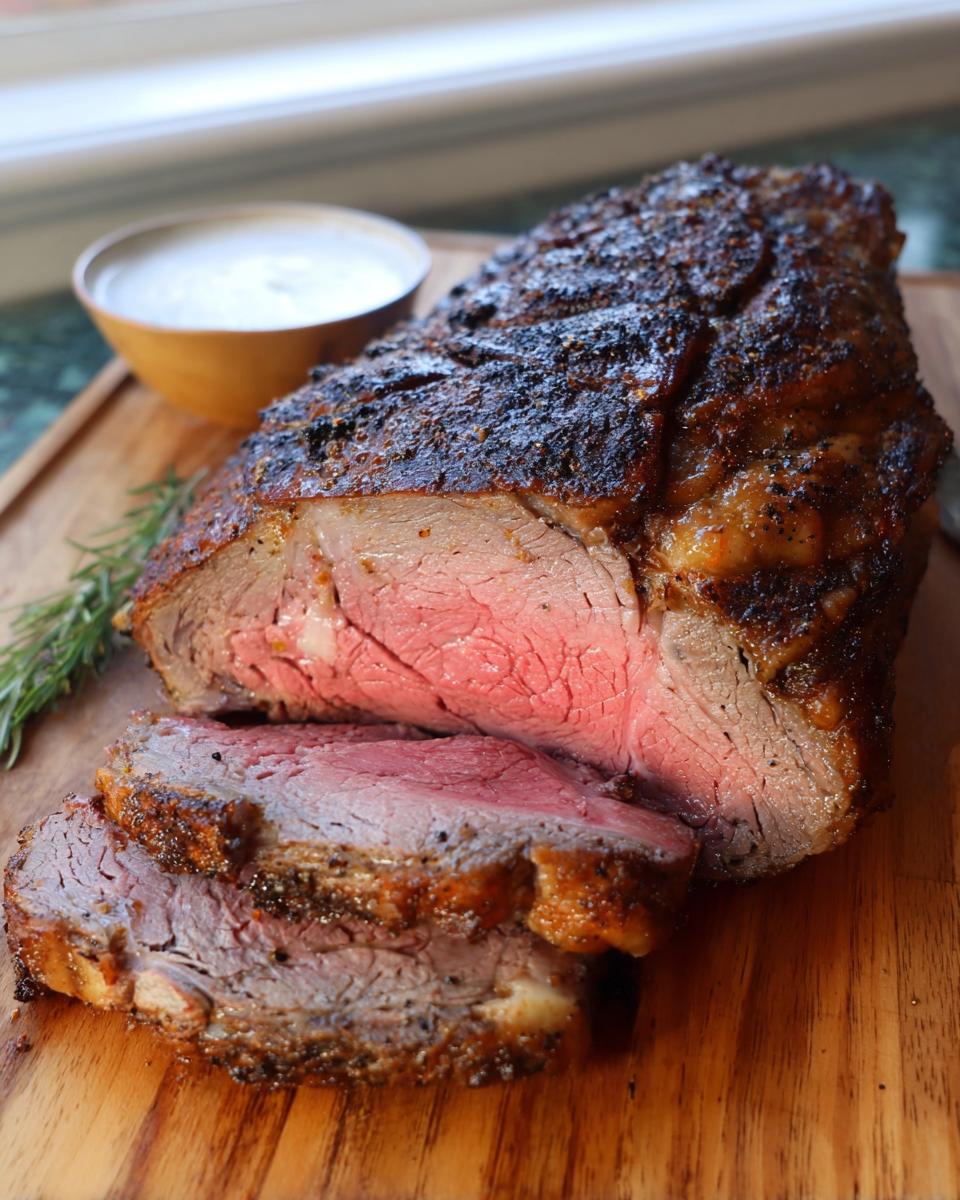
Why You Will Master the Prime Rib Time & Temp Chart — Medium-Rare Every Time
Look, cooking a big roast can feel intimidating, but this method takes all the guesswork out of it. We aren’t just vaguely guessing; we are following a specific path to success. Once you see how our little two-stage cooking process works, you’ll wonder why you waited so long to try that huge Rib Roast Recipe!
- Foolproof Medium-Rare Guarantee: We use a precise, low-and-slow finish that locks in juices, making 130–135°F easily achievable without worrying about overshooting the mark.
- Impressive Sear Without the Burn: We start hot to get that gorgeous, crusty exterior everyone loves, but we pull it back before the edge gets tough.
- Zero Stress Resting Phase: Resting is built right into the cooking timeline at a safe, low temperature. You get two hours of oven time where you don’t even have to worry about opening the door!
- Consistency Every Single Time: Because we rely on weight estimation and then confirm with a thermometer, this method works whether you have a 4-rib or a 6-rib roast; it’s incredibly reliable.
Essential Equipment for Your Prime Rib Time & Temp Chart — Medium-Rare Every Time
You don’t need a million fancy gadgets for this magnificent roast, but there are a few things that are non-negotiable if you want to hit that perfect medium-rare spot. Honestly, the biggest difference-maker is your thermometer. Don’t even try to eyeball a roast this size!
- You absolutely must have an instant-read meat thermometer. This is how we guarantee perfection; it’s your best friend here.
- Grab a heavy-duty sheet pan with sides at least an inch high. We need that pan to catch happy juices without spilling over.
- You’ll want a few simple bowls for mixing up that incredible spice rub, and a sharp knife for slicing when the time comes.
Ingredients Needed for the Prime Rib Time & Temp Chart — Medium-Rare Every Time
Gathering your ingredients is half the battle won, right? For this showstopper, we divide everything into three easy groups. The most important thing here is that amazing 10-pound roast needs to be fully unwrapped and sitting out for about four to five hours before it even thinks about hitting the oven. That’s key for even cooking!
If you’re ready to make the creamy sauce or the simple au jus to go with it, grab those items too. Trust me, making the simple Boneless Prime Rib Recipe shine is all about the extras when you serve it up!
For the Prime Rib Roast
This is the star of the show! Make sure you have that bone-in, 10-pound beauty ready to roll, tempered up to room temperature.
- 10 Pound 4-rib prime rib roast, bones cut off and tied back on (must be at room temperature)
- 1 Tablespoon garlic powder (or granulated garlic)
- 1 Tablespoon onion powder (or granulated onion)
- 1 Tablespoon black pepper
- 1 Tablespoon seasoned salt (like Lawry’s Seasoned Salt)
For the Creamy Horseradish Sauce (Optional)
If you like a little kick, this sauce comes together in two minutes flat. My tip? That refrigerated fresh-grated horseradish is worth the extra step—it just has a brighter flavor underneath all that creamy goodness.
- 1 cup sour cream
- 1/2 cup whipping cream (or heavy cream)
- 1-2 dashes hot pepper sauce (or more, if desired)
- 1 Tablespoon Worcestershire sauce
- 1-2 Tablespoons prepared horseradish (make sure it’s the refrigerated fresh-grated horseradish!)
- 1 Tablespoon spicy brown mustard
- 1 Tablespoon red or white wine vinegar
- 2 cloves garlic, crushed (or use 1 teaspoon garlic powder if you’re skipping the fresh crush)
For the Au Jus (Optional)
This is the simplest pan gravy you’ll ever make. If you’re short on time, the Better Than Bouillon Beef Flavor is legendary—way better than watery store-bought broth. Just whisk it into boiling water!
- 3 cups water
- 5 Teaspoons Better Than Bouillon Concentrate, Beef Flavor (or use beef bouillon cubes)
- 1 Tablespoon soy sauce
- To taste kosher salt and ground black pepper
Step-by-Step Instructions for Cooking Prime Rib
Okay, deep breath! This is where the magic happens, and I promise it’s easier than you think if you just follow the timing game plan. Remember that ten-pound roast we talked about? We need to give it a good, long nap first. That initial tempering time is crucial for evening things out so you don’t end up with gray edges and a cold center. This is truly the technique that gets you that beautiful result described in my Cooking Prime Rib guide.
Preparing and Seasoning the Roast
You have to pull that beef out about four to five hours before you plan to cook it. Unwrap it completely! We want it sitting there at room temperature, just relaxing. While it’s warming up, crank your oven to a scorching 500 degrees F and get that rack into the lower third. Mix up your seasonings—that garlic, onion, pepper, and seasoned salt—and rub it all over that gorgeous roast. Make sure it’s fat-side up sitting on that sturdy sheet pan. We’re ready for the blast of heat!
Executing the Prime Rib Time & Temp Chart — Medium-Rare Every Time
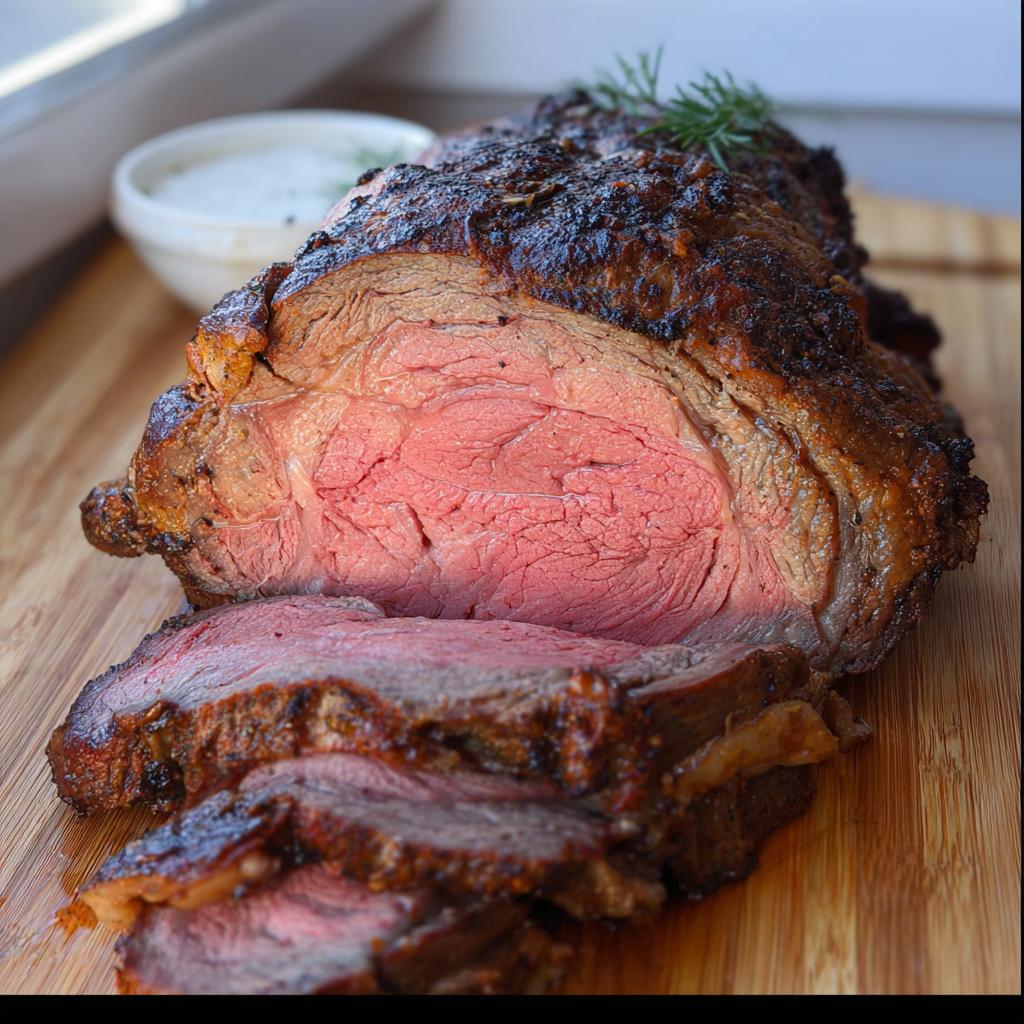
Now for the big move! Pop that seasoned roast into the 500-degree oven. You’re going to cook it for exactly 6 minutes per pound (or bump it to 7 minutes per pound if you want medium). When that timer goes off—and seriously, set a good alarm!—you reduce the heat immediately to 170 degrees F. Do not open the door! Leave it in there for a solid two hours while you sip your wine. Then, check that temp with your thermometer; you are aiming right between 130 and 135°F for that sweet, beautiful medium-rare!
Carving and Serving the Perfect Prime Rib
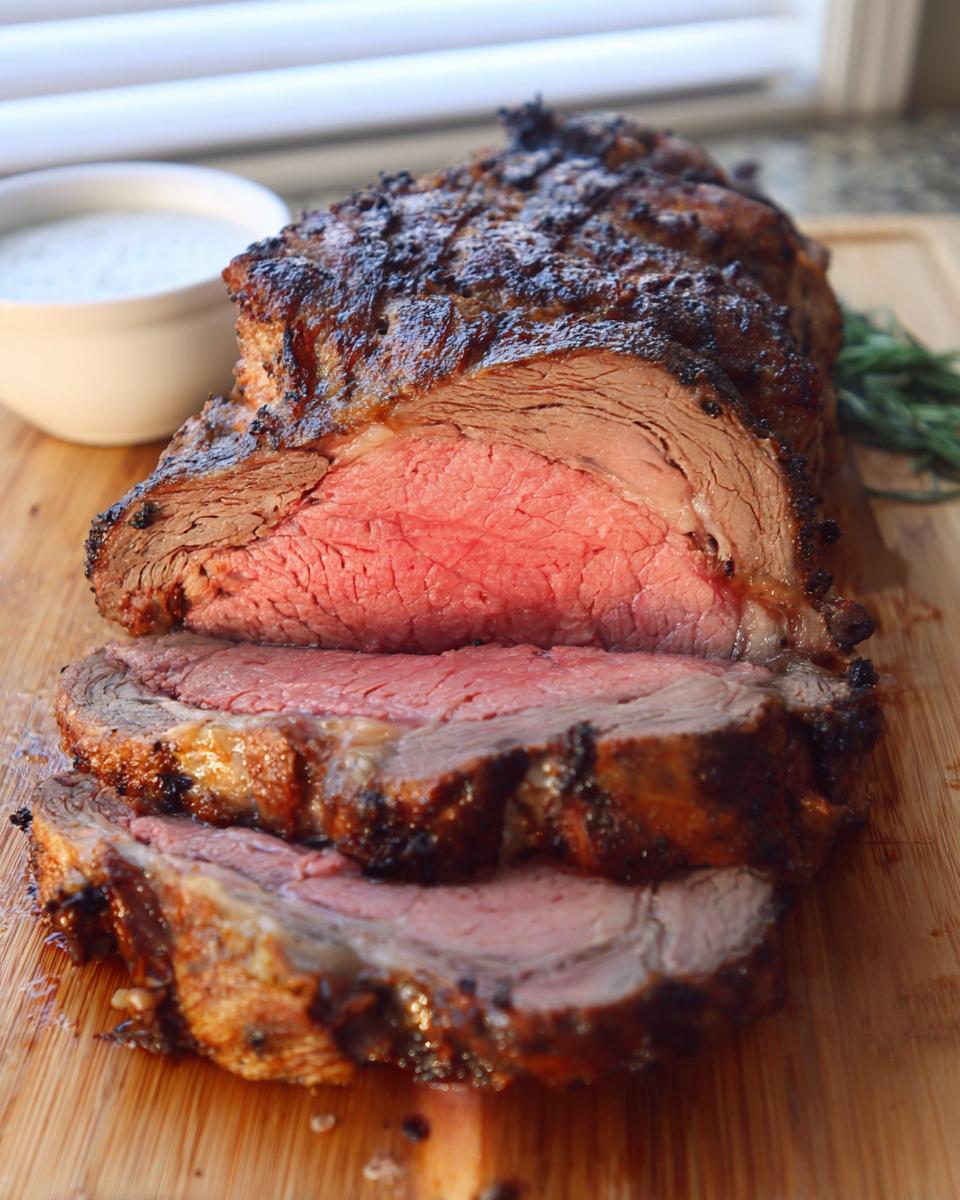
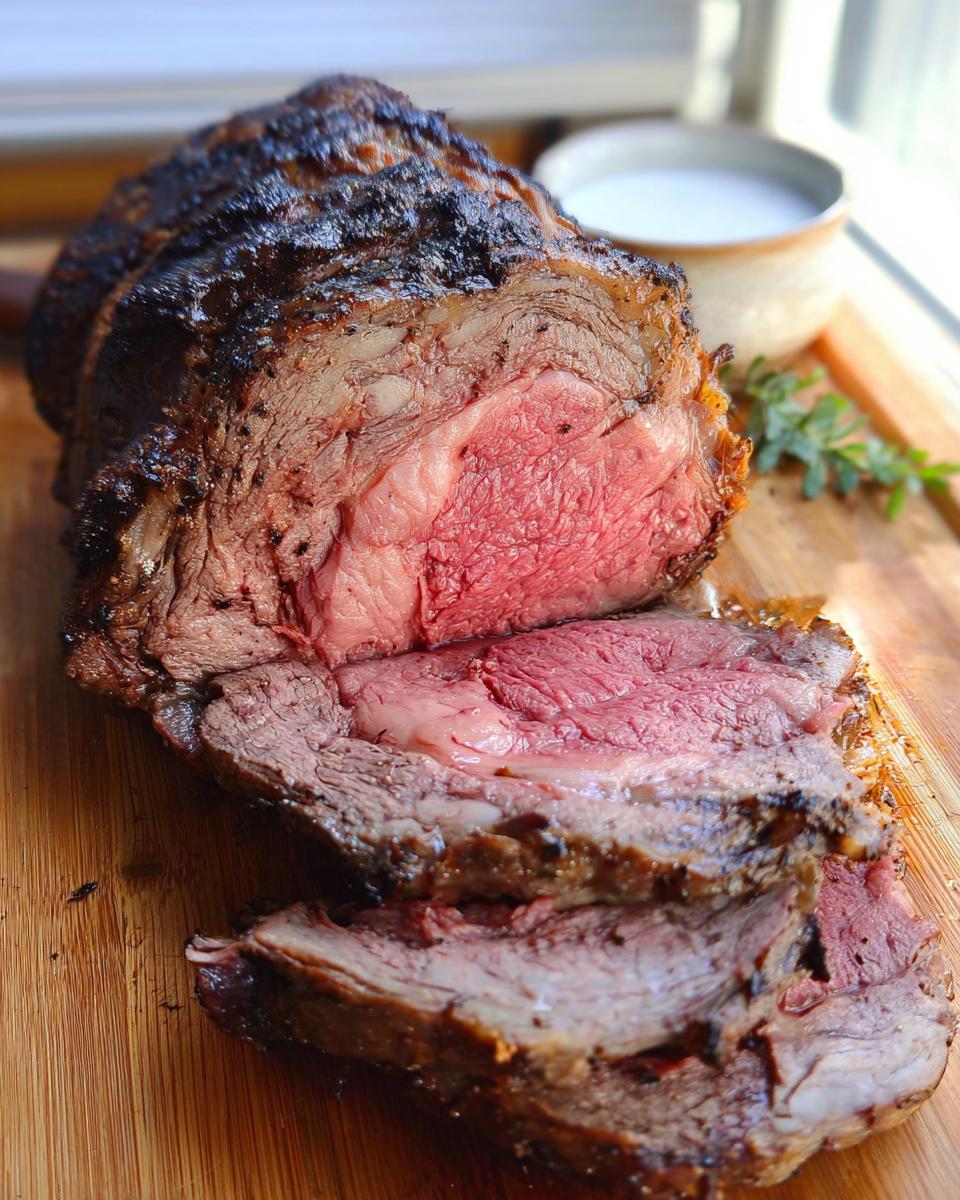
If you hit that 130–135°F mark, you’re done cooking! If it’s a tiny bit shy, just pop the oven up to 375°F and check every ten minutes until it hits the sweet spot. Once it’s perfect, grab those kitchen shears and snip those strings holding the bones on—we need the meat off the bones! Use two forks to lift the roast onto a cutting board. Let it sit for a minute, then carve it thick, about 3/4 of an inch per slice. The results will be stunning!
Ingredient Notes & Substitutions for Your Rib Roast Recipe
I know seasoning blends can sometimes feel confusing, especially when you are buying a big, expensive piece of meat! For this Prime Rib Roast Recipe, I usually stick to my favorite blend of seasoned salt, garlic, and pepper because the quality of the beef does most of the heavy lifting.
Don’t stress if you don’t have seasoned salt; just use kosher salt and increase the garlic and onion powder a little. If you skip the creamy sauce, that’s okay too! You can use regular prepared horseradish instead of the specialty refrigerated kind, though I find the fresh one cuts the richness of the roast so perfectly.
Also, remember those bones? They come off easily after resting! If you want to make a quick Au Jus later, saving those bones to boil for extra flavor is a fantastic trick for next time. It really bumps up the beefiness!
Tips for Success with Your Prime Rib Time & Temp Chart — Medium-Rare Every Time
Getting that perfect bite every time comes down to a couple of small details that seem insignificant but honestly change everything about your final product. Don’t skip these little nuggets of wisdom; they are what take this from a good roast to the kind of roast people talk about all year!
First off, let’s talk placement for your thermometer. You want that probe to read the thickest part of the meat, right near the center, but for goodness sake, don’t let the tip touch the bone! The bone heats up differently than the meat, and if you measure bone temperature, you’re going to pull it too soon and end up with a raw center. Always angle slightly away from the bone when inserting—trust me on this one.
Next up: resting. Seriously, this two-hour rest at 170 degrees isn’t just “holding” the meat; it’s actively finishing the cooking process via carryover heat, and it lets those juices calm down and redistribute through the fibers. If you slice it right out of the oven hot, all that lovely moisture just sprints out onto the board. Save those juices!
Now, what if you check at the end of the two hours and you are at 128°F instead of 130°F? Don’t panic! That’s why we kept the oven handy. You can certainly use a quick blast at 375°F, but you must watch that thermometer like a hawk. I usually only need 10 to 15 minutes more in that higher heat to reach my 130–135°F target. If you’re worried about the outside overcooking during that scramble, I highly suggest you look into how a great meat thermometer can make all the difference.
And finally, a little trick for those who prefer less-done slices: if you have a guest who wants theirs almost blue rare, slice their piece and set it aside. Then, take the main roast and finish it just until it hits your medium-rare goal. Keep the roast slices warm by briefly setting them in a shallow dish with a little bit of that warm au jus you made. They won’t dry out, and everyone is happy!
Making the Optional Components: Sauce and Au Jus
So, you want to take your incredible prime rib from ‘amazing’ to ‘legendary’? That’s what the sauce and the au jus are for! Even though they are totally optional—you could just eat that beautiful roast plain, honestly—they just elevate the whole experience when you serve that gorgeous, thick-cut beef.
Don’t let these scare you off; they are quick fixes. I usually throw the au jus together while the roast is doing its initial high-heat blast, and the horseradish sauce comes together while it’s resting. Efficiency is everything when you’re hosting a holiday crowd!
Whipping Up the Creamy Horseradish Sauce
This sauce is creamy, sharp, and tangy—the perfect counterpoint to the richness of the beef. You don’t even need a mixer for this one; just a bowl and a whisk will do the trick. Combine everything in your small bowl until it looks totally smooth and creamy. I always find that tasting it right away is important.
If you feel like it needs more zip, don’t be shy about adding an extra dash of that hot sauce or another teaspoon of horseradish. The recipe says 1 to 2 tablespoons of horseradish, but if you love it spicy, go big! You can put this sauce in the fridge until serving time, which is great because it means one less thing to worry about right when you pull that roast out of the oven.
Quick Au Jus for Dipping
This au jus is super basic, but it’s flavorful because we rely on that concentrated beef flavor, not hours of simmering bones—perfect for when you’re managing a big dinner!
You just need to bring your water to a rolling boil in a deep skillet. Once it’s boiling hard, turn the heat way down to low—we aren’t trying to cook anything, just dissolve things. Whisk in the Better Than Bouillon and that soy sauce until everything melts into the water. Give it a quick taste test for salt and pepper, and keep it warm over low heat. My favorite trick is to use this au jus idea to keep those extra slices warm if someone wants theirs a little more cooked. Just a quick dip and they are perfect again!
Storage and Reheating Instructions for Leftover Prime Rib
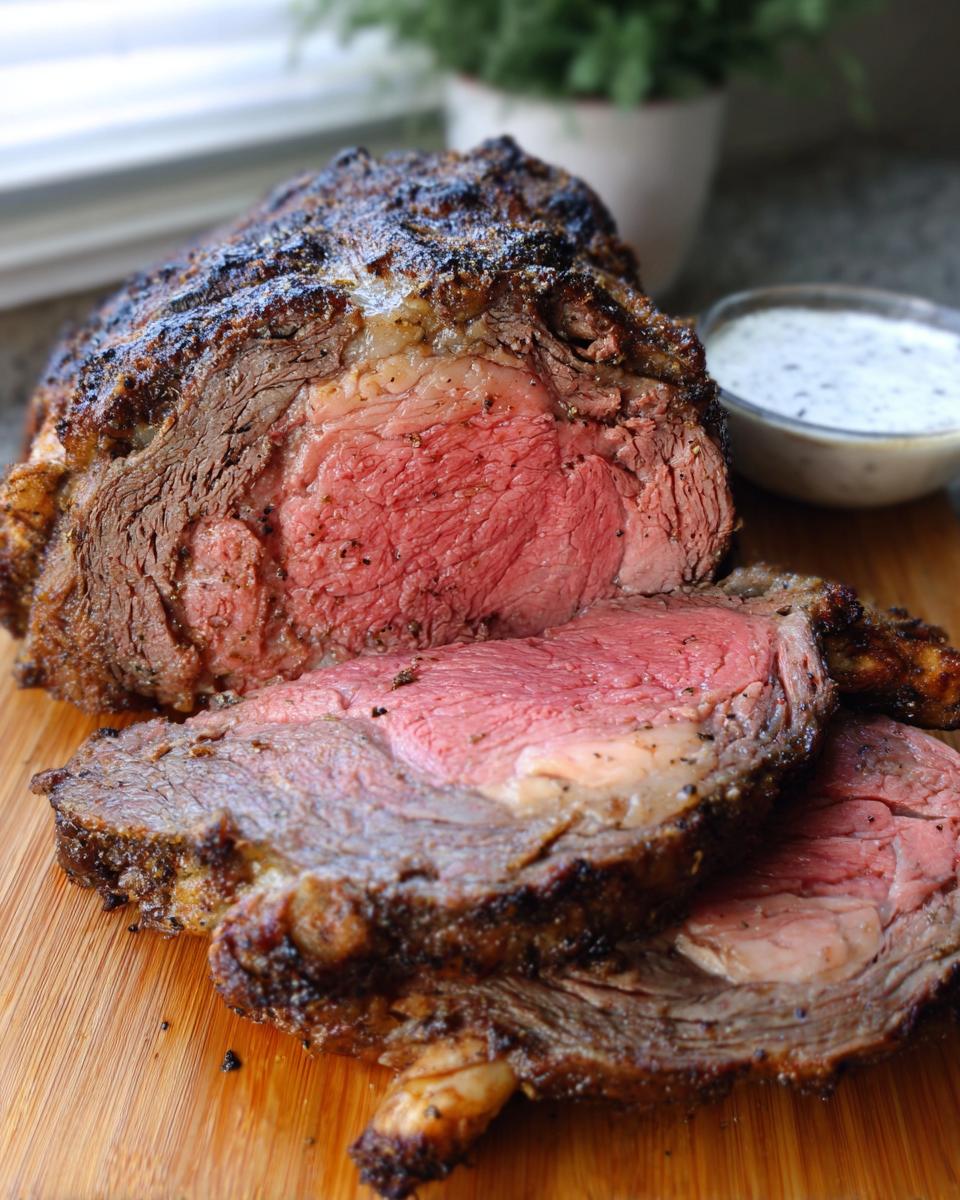
Oh, the glorious leftovers! If you managed to have any Prime Rib left after the main event, you’re in for a treat the next day. This roast is so flavorful, it makes spectacular leftovers for sandwiches or just snacks!
The biggest secret to keeping prime rib delicious is how you store it. Don’t just toss the whole hunk of meat in a container! You want to slice what you think you’ll eat first, and then save the rest whole, if possible. Everything should go into an airtight container right away.
How to Keep Your Roast Fresh
You want to get those leftovers tucked away in the fridge within two hours of carving. Seriously, don’t let that beautiful roast sit out on the counter—we need to keep it safe! When stored properly in a sealed container, your leftover prime rib should stay wonderfully fresh for about three to four days.
If you think you won’t get to it by then, I highly recommend taking your remaining slices and freezing them flat in freezer bags. Pull them out the next time you need a quick, fancy dinner! Just make sure you wrap them tightly to avoid freezer burn.
The Best Way to Reheat Slices
Okay, here’s where everyone messes up. Reheating roast beef can turn it into shoe leather if you aren’t careful. Microwaving it directly? Forget about it—it gets tough and dry every single time unless you follow this trick.
You absolutely must use that au jus we talked about, or even just some beef broth if you didn’t make the simple batch. Pour just enough liquid into a shallow baking dish so that it comes about a quarter of the way up the side of your meat slices. Cover that dish tightly with foil. This steams the meat rather than baking it dry!
Pop it into a moderate oven—say, 300 degrees F—and let it warm slowly. It usually takes between 10 and 15 minutes for the slices to heat through gently. They’ll come out tender, pink, and nowhere near as dried out as if you put them under the broiler or blasted them in the microwave!
Frequently Asked Questions About Cooking Prime Rib
It’s totally normal to have questions when you’re investing time and money into a grand centerpiece like this! I get asked about timing and temperature constantly, especially because people worry about how to handle a Boneless Prime Rib Recipe differently than the bone-in version we used here. Remember, while this guide focuses on the bone-in cut, the thermometer is always the final judge!
How does the cooking time change for a Boneless Prime Rib Recipe?
That’s a great question, and this is where we lean hard on that amazing instant-read thermometer! Generally speaking, a boneless roast will cook a bit faster because there’s no bone acting as an insulator in the center. For a 10-pound boneless roast, you might only need about 5 to 5.5 minutes per pound during that initial high-heat blast, instead of the 6 minutes we used for the bone-in cut. But please, don’t stick strictly to that guideline! Start checking your temperature about 15-20 minutes earlier than the time chart suggests, just to be safe. You might need to adjust your 170-degree rest time ever so slightly too!
What is the correct internal temperature for medium-rare when Cooking Prime Rib?
For that dreamy, slightly pink, perfectly tender medium-rare, you are aiming for 130°F to 135°F. But here’s the real expert secret about Cooking Prime Rib: you need to account for carryover cooking! That temperature keeps climbing even after you pull it out of the heat. That’s why we pull it before it hits 135°F, usually around 130°F, and let it rest uncovered. During that crucial resting time, the internal temperature will naturally climb those last few degrees right up to the perfect serving temperature without drying out the edges!
Can I sear the roast after the low-temperature rest?
Absolutely, you can! In fact, the method in this recipe actually builds that final, beautiful crust *after* the long rest, but sometimes life happens, and you pull the roast out of the 170°F oven and realize it’s just a hair too low—maybe 128°F instead of 130°F. Don’t worry, that’s why we have the contingency plan!
You simply turn the oven up to 375°F. This is your quick finish line. We only do this if the target temp isn’t quite met. You pop the roast back in, but you have to watch it like a hawk—check the temperature every 10 minutes. Because the inside is already warm, this higher heat won’t have time to overcook; it just blasts that exterior surface to give you extra color and crust while bumping the internal temperature up to your goal!
Prime Rib Time & Temp Chart — Medium-Rare Every Time
Ingredients
Equipment
Method
- 4-5 hours before cooking, remove the prime rib roast from refrigeration and unwrap it. Keep the label to note the weight for calculations.
- Preheat your oven to 500 degrees F. Place the oven rack in the lower third of the oven.
- Place the unseasoned roast, fat side up, on a heavy-duty sheet pan with 1-inch sides. Combine the granulated garlic, granulated onion, and black pepper with the seasoned salt in a small bowl. Rub this spice blend over the entire exterior of the roast.
- Place the prepared roast into the preheated oven, uncovered. Cook for 6 minutes per pound for medium-rare or 7 minutes per pound for medium.
- When the timer sounds, immediately reduce the oven temperature to 170 degrees F. Set a timer for 2 hours and leave the roast in the oven to rest. Do not open the oven door during this time.
- After 2 hours, open the oven door and check the internal temperature with a meat thermometer. Aim for 130-135°F for medium-rare or 135-140°F for medium.
- If the temperature is slightly lower than desired, preheat the oven to 375 degrees F. Return the roast to the oven and check the temperature every 10 minutes until it reaches your target.
- Use a sharp knife or kitchen shears to snip the strings holding the roast to the bones.
- Using two meat forks, lift the roast from the bones and pan, and place it on a cutting board.
- Slice the prime rib into 3/4-inch thick slices. Serve with au jus and horseradish sauce, if desired.
- To prepare the Creamy Horseradish Sauce: Combine all sauce ingredients in a small bowl until smooth. Store in the refrigerator until serving.
- To prepare the Au Jus: Bring water to a boil in a large, deep skillet. Reduce heat to low, add the bouillon concentrate and soy sauce, and whisk until blended. Season with salt and pepper to taste. Keep warm.
Notes
Tried this recipe?
Let us know how it was!
Master of Culinary Visual Arts
My culinary journey started in the fast-paced kitchens of boutique coastal restaurants throughout Southern California, where I learned that beautiful food doesn’t have to be complicated. After nine years of professional cooking, I’ve made it my mission to prove that sophisticated, nutritionally sound meals can be accessible to busy home cooks who refuse to compromise on flavor or visual appeal.
What changed everything for me was watching talented home cooks feel intimidated by healthy cooking. That’s when I transitioned to private instruction, teaching busy professionals and families how to create restaurant-quality meals using simple techniques and ingredients they can actually find at their local grocery store. My “15-minute meal” frameworks are now used by several regional cooking schools!
As a third-generation Mexican-American, I love weaving vibrant Latin flavors into low-carb creations – proving that healthy eating can be both culturally authentic and visually spectacular. My “effortless elegance” philosophy is simple: nutritious food should look as stunning as it tastes, without requiring professional chef skills or expensive equipment.
When I’m not developing recipes in my San Diego coastal kitchen, you’ll find me surfing the local breaks with my Golden Retriever mix, Mango, who’s both my kitchen companion and unofficial taste-testing assistant. My personal low-carb lifestyle started as a way to maintain energy for my active coastal life, and it’s become the foundation for proving that healthy eating enhances rather than restricts life’s pleasures.