
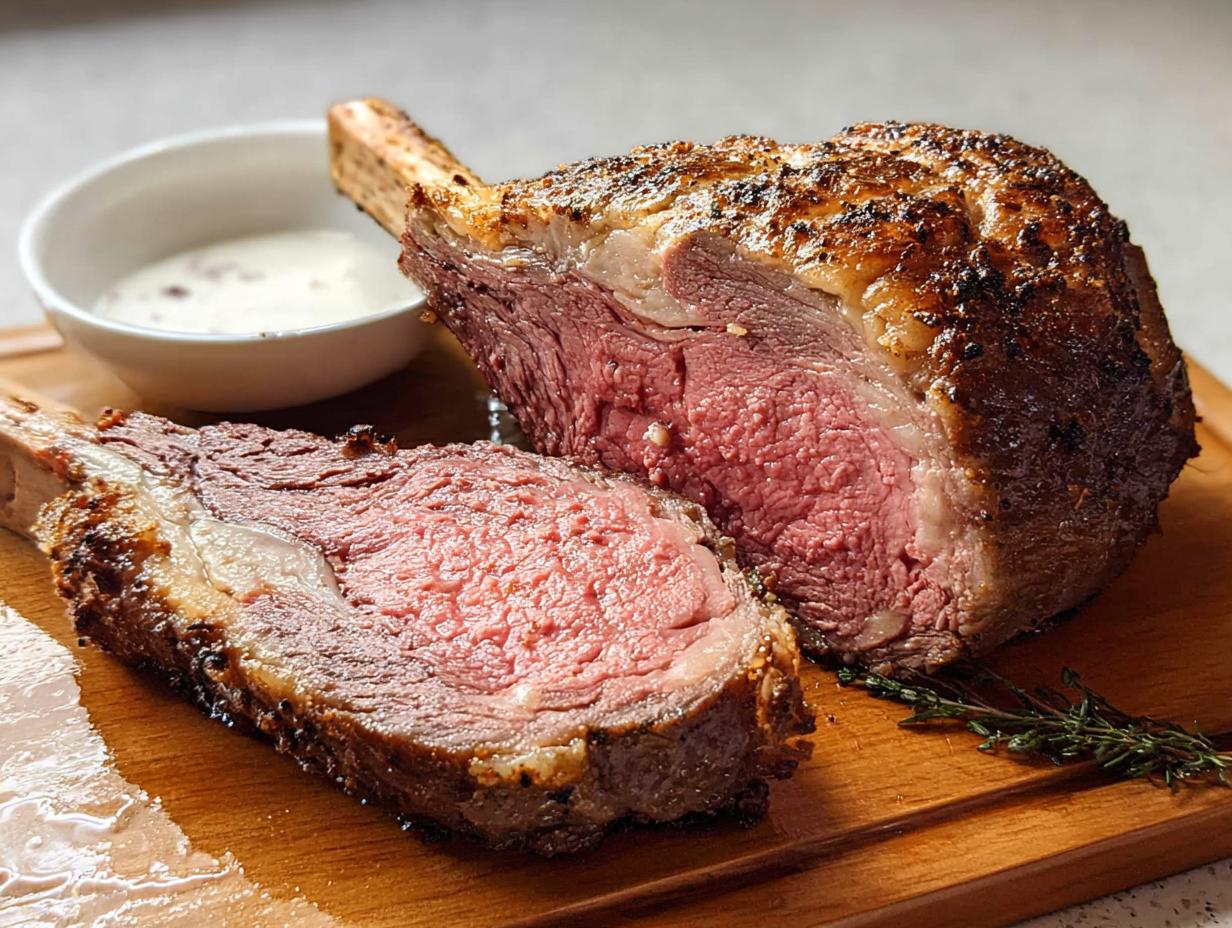
Oh, holiday dinners! I swear, the main roast is always what keeps us up at night worrying, right? You spend hours getting the seasoning just perfect, you pray the oven gods smile on you, and then you hold your breath while slicing into that big, beautiful hunk of beef. I remember the first prime rib I ever cooked for a family gathering. It was a chilly winter evening, and I felt this exhilarating mix of excitement and nerves as I presented the beautifully roasted joint to everyone. As I carefully carved into it—and trust me, I was sweating bullets—the tender, juicy slices came alive with flavor. That moment, when everyone took that first bite, sparked my passion for creating truly memorable meals. That’s when I really learned the invaluable lesson of resting meat—a step that transformed my cooking forever. Now I want to share those crucial tips so you can ace your meal, too. You absolutely need my guide for the Perfect Prime Rib — Carving & Resting Tips Inside so you get that unforgettable slice!
Why Mastering the Perfect Prime Rib — Carving & Resting Tips Inside Matters
Listen, cooking a big roast like this feels like high-stakes cooking, but it doesn’t have to be scary! When you nail the process, you guarantee yourself a show-stopping centerpiece that really impresses everyone at the table. We aren’t just cooking meat here; we’re aiming for that perfect texture every single time. Following this guide on the Perfect Prime Rib — Carving & Resting Tips Inside ensures you avoid that sad, dry exterior that ruins all your hard work. Getting the proper internal temperature dialed in is the difference between applause and sighs.
The Secret to a Tender Roast
It truly comes down to respecting the meat. You can’t rush quality when you’re aiming for a truly tender roast. Salt generously, let the outside develop some personality in the heat, and most importantly, pull it when the thermometer tells you to. That precise temperature control is what leads to that incredible, melt-in-your-mouth result and ensures fantastic, even cooking throughout the whole joint.
Essential Ingredients for Your Perfect Prime Rib — Carving & Resting Tips Inside
Okay, we’re getting down to brass tacks. Honestly, the best prime rib doesn’t need a million fancy things thrown at it. It needs great meat and a few key players to make it shine. Getting these measurements right is step one for incredible flavor, and I promise you, this clarity is how we manage that fantastic, even cooking we’re aiming for. When you look at the ingredients below, remember where the magic happens: the salt is important. Check out my guide on choosing the right kind of salt for your roast to make sure you pick correctly!
For the Prime Rib Roast
- 1 about 7-pound prime standing rib roast (Make sure this one is 3 to 4 bones! If the butcher cut it away from the bones, have them tie it right back on for you. That makes a huge difference!)
- 1 tablespoon kosher salt (Now, this is an estimate—you might not use all of this, so have it ready!)
For the Horseradish Cream Sauce (Optional)
If you want that sharp kick against the richness of the beef, you gotta make the sauce. But listen, it’s totally optional. If your family prefers simple jus, skip this part! It whips up fast while the roast is resting, though.
- 1 cup heavy cream
- 1 cup sour cream
- 1/4 cup prepared horseradish (Don’t skimp here; this is where the punch comes from!)
- 1 teaspoon freshly ground black pepper
- 1/2 teaspoon kosher salt
- 1/4 teaspoon cayenne pepper (Just a tiny dash unless you like some serious heat!)
Achieving Even Cooking: Preparing the Perfect Prime Rib
Okay, friend, listen up, because this initial setup is the make-or-break moment for a tender roast. You have to start hot! We’re going to preheat the oven way up high to 450°F. Seriously, crank it! Then, you take your beautifully seasoned prime rib and pat it bone dry with paper towels. Think of it like prepping suede—you want it totally dry so that salt can really get in there and make a crust. If you didn’t have the butcher tie the roast back onto the bones, I highly recommend you do that now. That little bit of extra structure helps immensely with Even Cooking across that big surface area. Pop it fat-side up in your roasting pan, get that meat thermometer snugly seated deep in the thickest spot (but don’t hit the bone!), and blast it for 15 minutes.
After that initial sizzling burst, we drop the temp down to 325°F. This slower roast prevents the outside from burning while the inside catches up. If you want to see how others tackle this technique, check out this great guide on classic prime rib. Remember, we’re roasting this low and slow after that initial shock to the system!
Temperature Targets for the Perfect Prime Rib
This is where your meat thermometer earns its keep! Guessing is a recipe for disaster, and we are aiming for perfection here. I always use Fahrenheit because it gives me that precise control I need. For a gorgeous medium-rare, which is my personal favorite, you are pulling that roast out when the thermometer hits 120°F to 125°F. If you are more of a medium fan, don’t push past the 130°F to 135°F mark.
Don’t panic when you see those lower numbers—the meat is going to keep cooking a bit while it rests! That’s crucial knowledge for nailing that perfect finish.
The Critical Resting Phase for Your Perfect Prime Rib — Carving & Resting Tips Inside
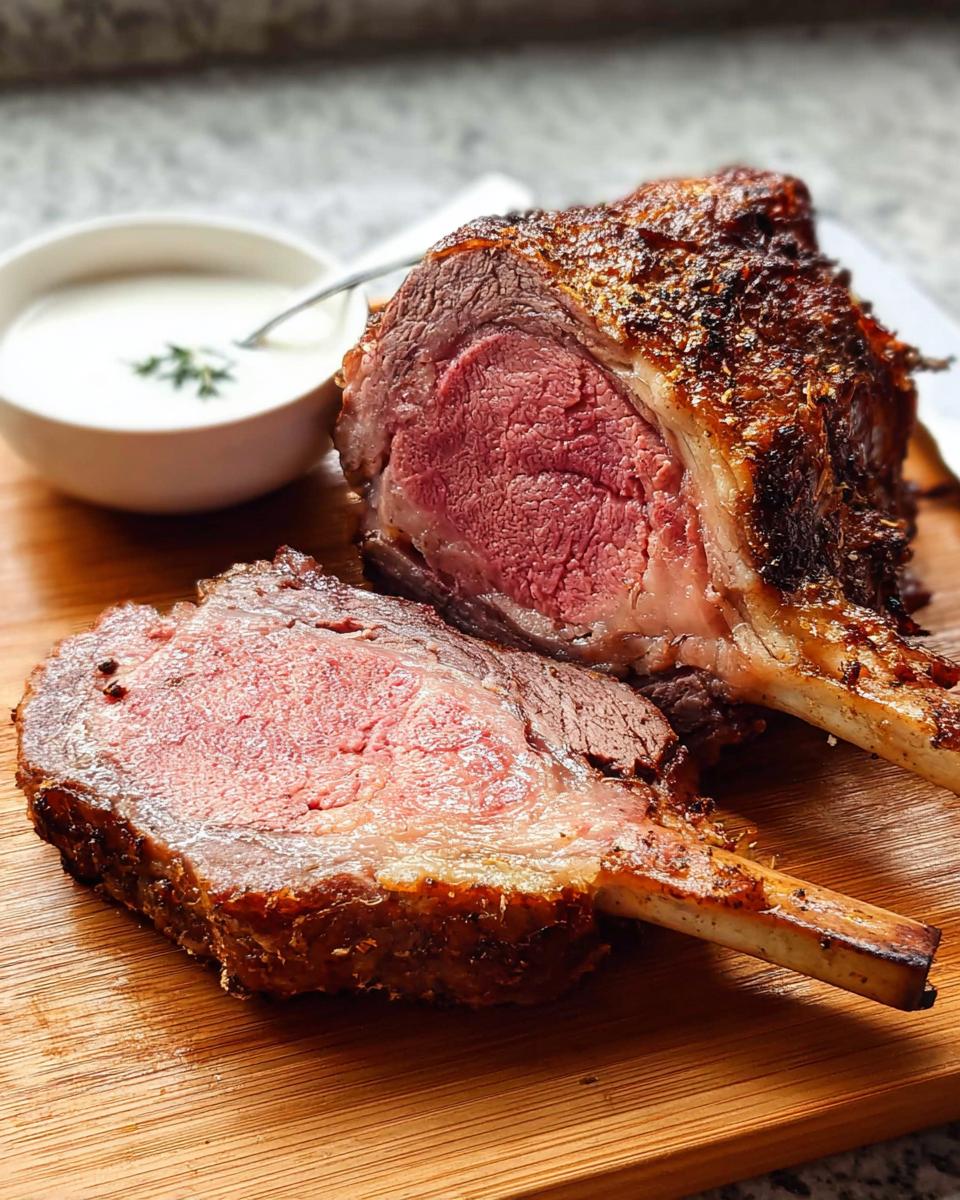
If you take away only one lesson from this whole guide, please let it be this: DO NOT skip the rest! I know, I know! You’ve just spent hours achieving that incredible aroma, and everyone is starving, but stepping away from the oven is the hardest but most important culinary move you’ll make. If you cut into that roast right away, all those beautiful, hot juices you worked so hard to create will just run right out onto your cutting board, leaving you with a dry cut of beef. It’s the cruelest thing in the culinary world!
When the roast rests, the muscle fibers calm down and reabsorb all that moisture. Think of it like letting steam settle. This ensures that when you finally slice it, that beautiful moisture stays locked inside every single piece. For a roast this size, I insist on at least 30 whole minutes. Tent it loosely with foil so it stays warm—it’s still cooking, by the way! You need this dedicated time for the Perfect Prime Rib — Carving & Resting Tips Inside process to work its magic. Seriously, you can read all the science on why meat rests you want, but trust me, 30 minutes leads to a miracle.
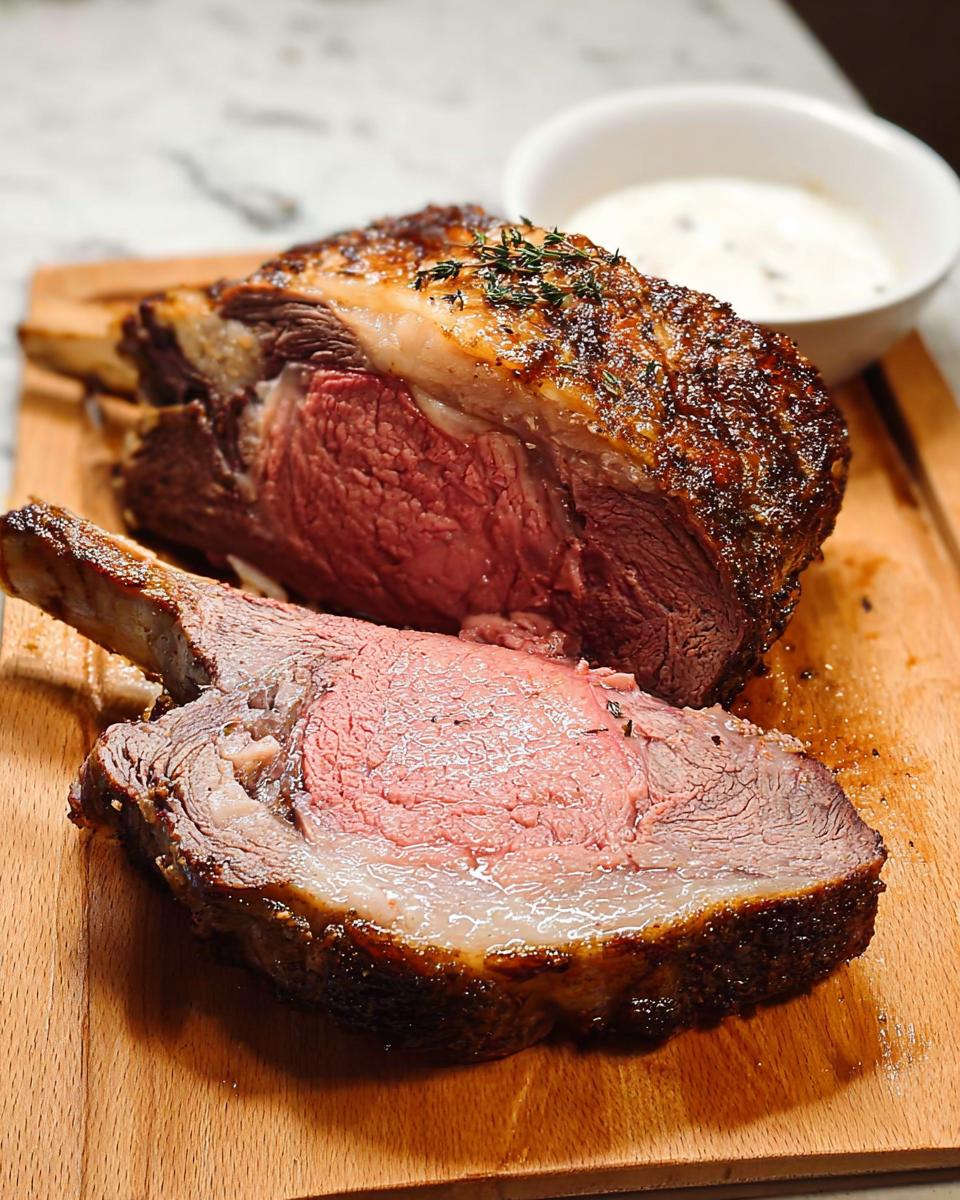
This resting time also buys you a little breathing room for the gravy or that horseradish sauce. Use the extra time wisely! You’re moments away from the best bite of your life.
How to Carve Your Perfect Prime Rib — Carving & Resting Tips Inside
Okay, the moment of truth! After that long, patient rest, we finally get to the slicing part. This is where all your hard work pays off, but you have to be careful not to undo all that juiciness you locked in during the resting phase. This final execution is key to the Perfect Prime Rib — Carving & Resting Tips Inside experience. If you cut with the grain, you’ll end up with long, chewy strands, and nobody wants that after making something this spectacular!
First things first: get rid of that butcher’s twine! Snip it away carefully. If your roast had the bones tied on underneath (which is how we like it for even cooking), use your sharp carving knife to carefully separate the roast from the bones now. You can serve the bones separately or even put them aside to make amazing au jus later. Just take your time here; carving isn’t a race.
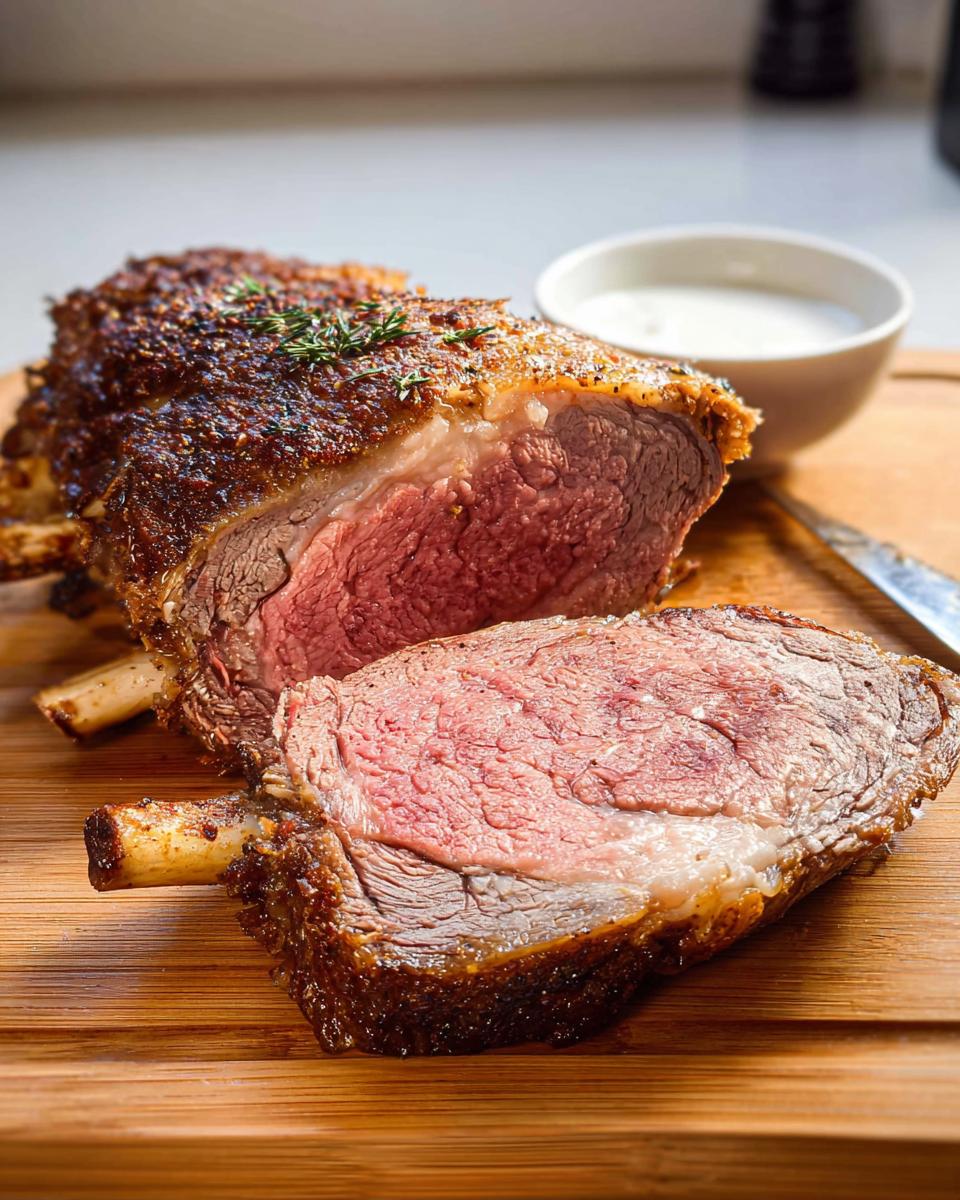
The most important instruction I can give you is to always slice *against the grain*. You want to look closely at the meat fibers—they run vertically or horizontally in one direction. You must slice perpendicular (across) those lines. This action shortens the muscle fibers, making every single slice incredibly tender. Trust me, seeing those perfectly lined slices makes the whole Perfect Prime Rib — Carving & Resting Tips Inside process feel worth it!
Carving Methods for a Holiday Dinner Presentation
Presentation is everything, especially when you’re serving up a centerpiece for a special Holiday Dinner. You absolutely need a fantastic, long, sharp carving knife for this job. If your knife is dull, you’re going to smash the roast as you cut, forcing out those precious juices we saved during the rest. Slice the roast into thin, uniform pieces, about a quarter-inch thick if possible. Uniformity keeps the slicing smooth and ensures everyone gets about the same amazing experience, texture-wise. I like to arrange my first few slices overlapping slightly on a warm platter. It looks impressive, and it gives the rest of the carving process a clear target to follow.
Making the Optional Horseradish Cream Sauce
While that gorgeous prime rib is chilling out under its foil tent—that’s the resting phase doing its important work—we get to whip up something sharp to cut through all that incredible richness! If you opted for the sauce, now is the perfect time to make it. Honestly, it takes about two minutes, and you’ll be so glad you did it when you serve the roast.
You just need one medium bowl. Dump in your heavy cream and the sour cream. Then, add your prepared horseradish—remember, this stuff packs a wallop, so maybe start with a little less if you’re unsure how strong yours is. Whisk it all together until it looks smooth and creamy. I like to add that tiny bit of salt, pepper, and cayenne right in there as well. Give it a final good stir, maybe taste it and realize you want it spicier, and throw in more horseradish if you’re feeling bold!
Pop the bowl in the fridge to get nice and cold while you finish up the carving. Serving a warm roast with a cold, tangy sauce is just fantastic—it just elevates the whole Perfect Prime Rib — Carving & Resting Tips Inside experience beautifully.
Tips for Using a Roaster Oven Prime Rib
Now, I know not everyone has a giant built-in oven or wants to tie up that massive space when they’re making a huge Holiday Dinner. That’s where the trusty roaster oven comes onto the scene! Using a Roaster Oven Prime Rib setup is totally brilliant because they hold heat so consistently, which is fantastic for that Even Cooking we’re obsessed with.
If you’re using one of those countertop electric roasters, you might notice they run a little differently than your big wall oven. Usually, they generate heat more directly on the sides and bottom. Because of that, I always suggest starting with the initial high-heat blast at 450°F just like normal, but then when you drop the temp down to 325°F, keep a really close eye on your thermometer.
Sometimes, roaster ovens are more efficient heat-wise, which means your cooking time per pound might nudge down slightly. I’m talking maybe 12 or 13 minutes per pound instead of 15. My absolute biggest piece of advice here is to check the internal temperature about 15 minutes earlier than you think you should. You’re still aiming for that sweet spot of 120°F for medium-rare, but the environment is different!
Also, since roasters are often smaller, make sure you give that roast plenty of space. Don’t let the sides touch the walls of the unit, or you’ll get some uneven scorching instead of that perfect crust. This little appliance can really save the day when you’re hosting a big crowd!
Frequently Asked Questions About Perfect Prime Rib
I know you’ve got questions bubbling up! When you’re dealing with a roast this special, you want to make sure every detail is covered. It’s smart to ask. We covered a lot of ground, from the initial searing to the final slice, but let’s nail down the trickiest parts of the Perfect Prime Rib — Carving & Resting Tips Inside process right here. Whether you’re worried about the final temperature or planning your Holiday Dinner schedule, these tips should help put your mind at ease! If you run into any weird hiccups, you can always check out my deeper dive into prime rib troubleshooting later on.
How much carryover cooking should I expect after resting?
Oh, carryover cooking! This is why we pull the roast early. When you remove that beautiful prime rib from the heat, it doesn’t just instantly stop cooking. The heat trapped in the center keeps radiating outwards, raising the temperature of the whole piece of meat. For a roast this large, you should absolutely expect the internal temperature to climb another 5 to 7 degrees while it rests under that foil tent. That’s why we talked about pulling it at 120°F for medium-rare—because those last few degrees bring you perfectly up to target!
Can I carve the Perfect Prime Rib ahead of time?
You really, really shouldn’t rush the carving. The resting period is non-negotiable if you want that unbelievably juicy result, especially for a grand Holiday Dinner centerpiece. If you carve it too early, you’ll lose all those internal juices we worked so hard to retain. However, the good news is that the roast stays wonderfully warm for a long time if it’s tented properly! You can easily rest it for 40 minutes instead of 30 if you need to clean up the kitchen or handle last-minute plating. Just keep it loosely covered! The goal of the entire Perfect Prime Rib — Carving & Resting Tips Inside guide hinges on letting that meat relax before slicing.
Storing Leftovers of Your Perfect Prime Rib — Carving & Resting Tips Inside
Now, if by some miracle you actually have leftovers—which, honestly, I usually don’t—you need to treat that precious meat right! Storing your Perfect Prime Rib — Carving & Resting Tips Inside results properly ensures you get nearly the same amazing experience the next day. Don’t just toss it in a container uncovered!
Slice any remaining prime rib thinly against the grain, just like we did before. Pack the slices tightly into an airtight container. A little splash of beef broth or au jus added before sealing helps wickedly well to prevent drying out in the fridge. It keeps great for about four days. Reheat gently, maybe just microwaved for 15 seconds at a time, or better yet, served cold on a sandwich—that’s my favorite way to enjoy the leftovers!
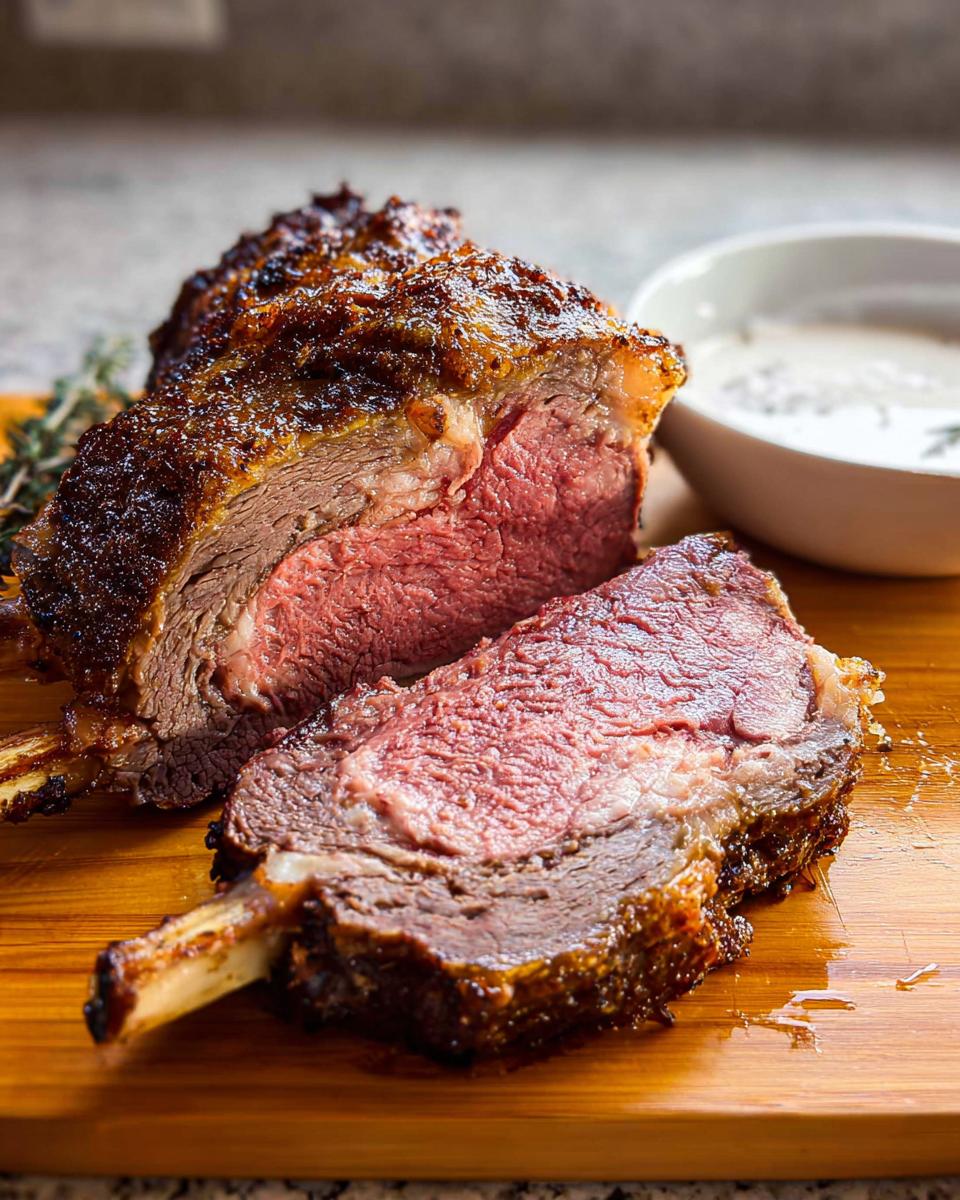
Share Your Success with This Perfect Prime Rib
Seriously, I want to know how it went! Now that you’ve navigated the highs and lows of roasting and mastered the carving—and I know you did an amazing job—it’s time to brag a little! Tell me about that incredible centerpiece you created. Did your family gasp when you brought it out?
When you get a moment, please come back and leave a rating for this recipe right here on the blog. Five stars if you think so, but I genuinely want to know what you thought!
And if you snapped a picture of those beautifully sliced pieces of that tender roast, please share it! Tag me on social media or just mention in the comments below how the Perfect Prime Rib — Carving & Resting Tips Inside worked for your holiday dinner. Hearing about your successes—especially that perfect medium-rare center you aimed for—is the absolute best part of my job. Can’t wait to see your beautiful roasts!
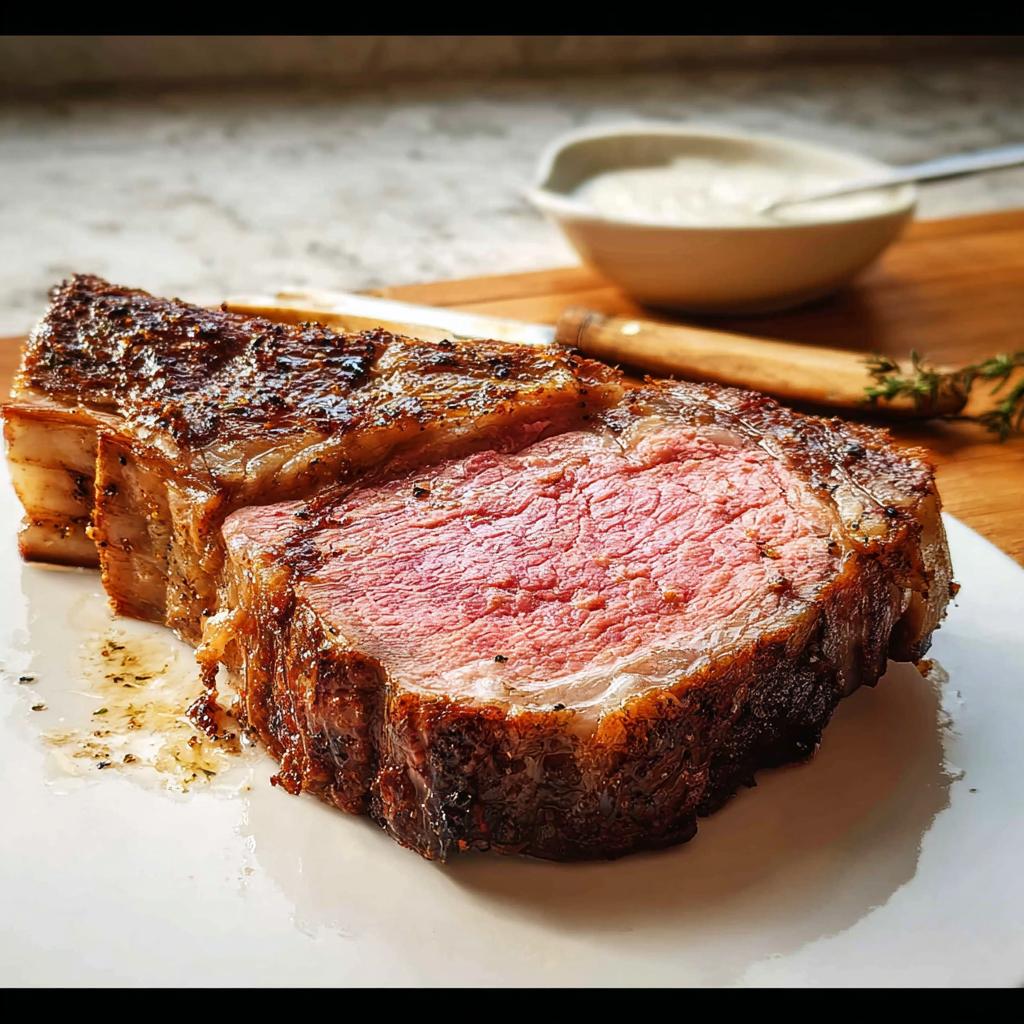
Perfect Prime Rib — Carving & Resting Tips Inside
Ingredients
Equipment
Method
- Preheat your oven to 450°F (230°C). Pat the prime rib dry with paper towels. Rub the entire roast with kosher salt.
- Place the roast, fat-side up, in a roasting pan. Insert a meat thermometer into the thickest part of the roast, avoiding bone.
- Roast at 450°F (230°C) for 15 minutes. Then, reduce the oven temperature to 325°F (160°C) and continue roasting for about 13-15 minutes per pound, or until the thermometer registers your desired internal temperature.
- For medium-rare, aim for 120-125°F (49-52°C). For medium, aim for 130-135°F (54-57°C).
- Once the roast reaches the target temperature, remove it from the oven. Transfer the prime rib to a cutting board, tent it loosely with foil, and let it rest for at least 30 minutes. This resting period is crucial for juicy, tender meat.
- While the roast rests, prepare the horseradish cream sauce if desired. In a medium bowl, whisk together the heavy cream, sour cream, prepared horseradish, black pepper, salt, and cayenne pepper (if using) until well combined. Chill until ready to serve.
- To carve, remove the butcher’s twine. If the roast was tied back on, carefully cut the twine and separate the roast from the bones. Slice the prime rib against the grain into your desired thickness. Serve immediately with the horseradish cream sauce.
Notes
Tried this recipe?
Let us know how it was!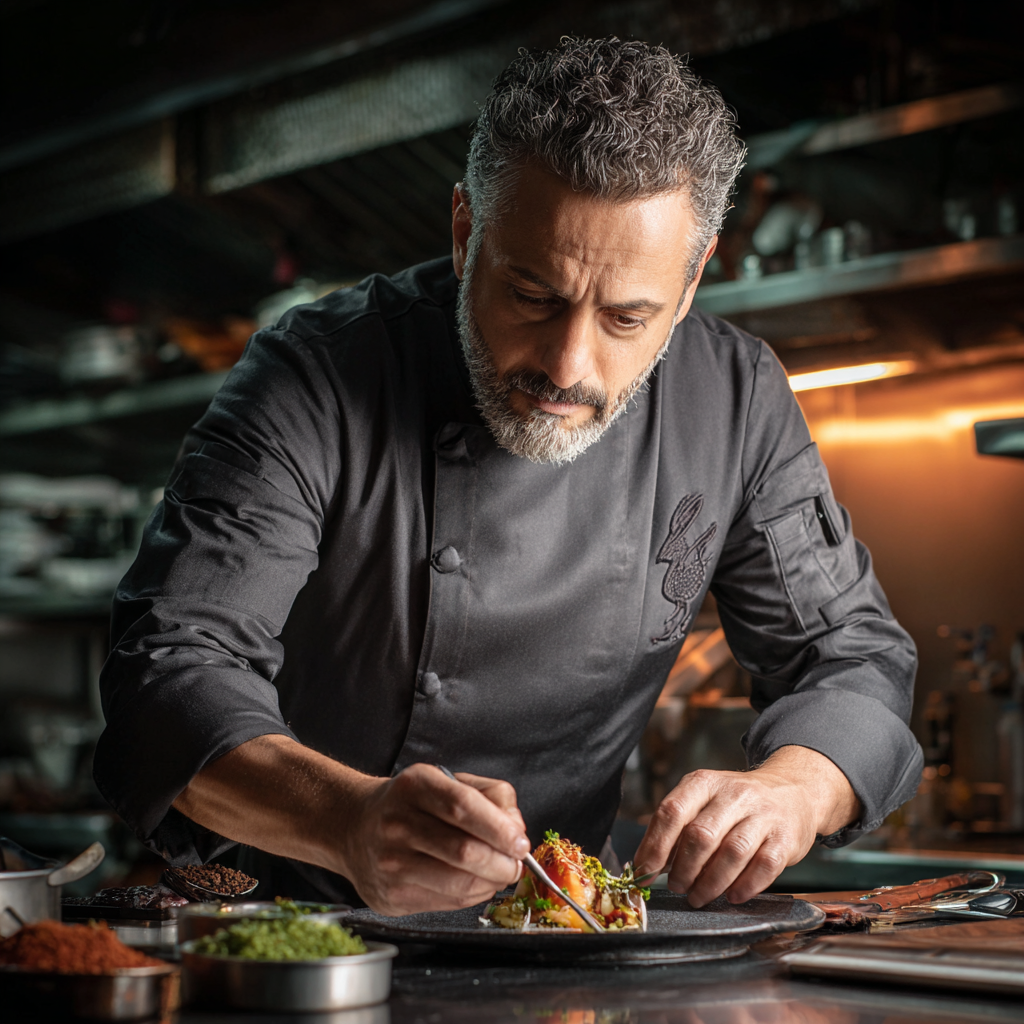
Master of Global Fusion Innovation
My culinary adventure reflects my Lebanese-Italian heritage and a decade spent in the dynamic fusion restaurant scenes of Miami and Barcelona. I’ve made it my mission to prove that beloved global comfort foods can be successfully adapted for low-carb living without losing their soul, their cultural authenticity, or their ability to comfort.
With advanced training in molecular gastronomy and experience spanning Mediterranean, Middle Eastern, and Latin American traditions, I’ve developed what I call “respectful innovation” – culinary creativity that honors traditional cooking wisdom rather than replacing it. My alternative ingredient substitution systems are now taught in specialty diet cooking schools throughout the region.
Drawing from my trilingual upbringing, I understand how deeply food connects to identity and memory. That’s why my flavor-bridging techniques allow classic dishes from around the world to maintain their comforting, familiar qualities while meeting contemporary nutritional standards. I regularly share these techniques at international culinary symposiums and innovation events.
When I’m not experimenting in my Miami fusion kitchen laboratory, you’ll find me at local salsa dance venues – the rhythm and improvisation skills translate directly to my creative cooking process! My role as a foster parent to rescue rabbits has unexpectedly inspired some of my most creative plant-based low-carb innovations.
My personal low-carb journey began as a way to maintain energy for my active lifestyle, but it’s evolved into a professional mission of proving that healthy eating can be globally adventurous rather than restrictively limiting. Every recipe I create is a passport to culinary adventure, transforming kitchens into laboratories for exploring healthy versions of the world’s most beloved comfort foods.