
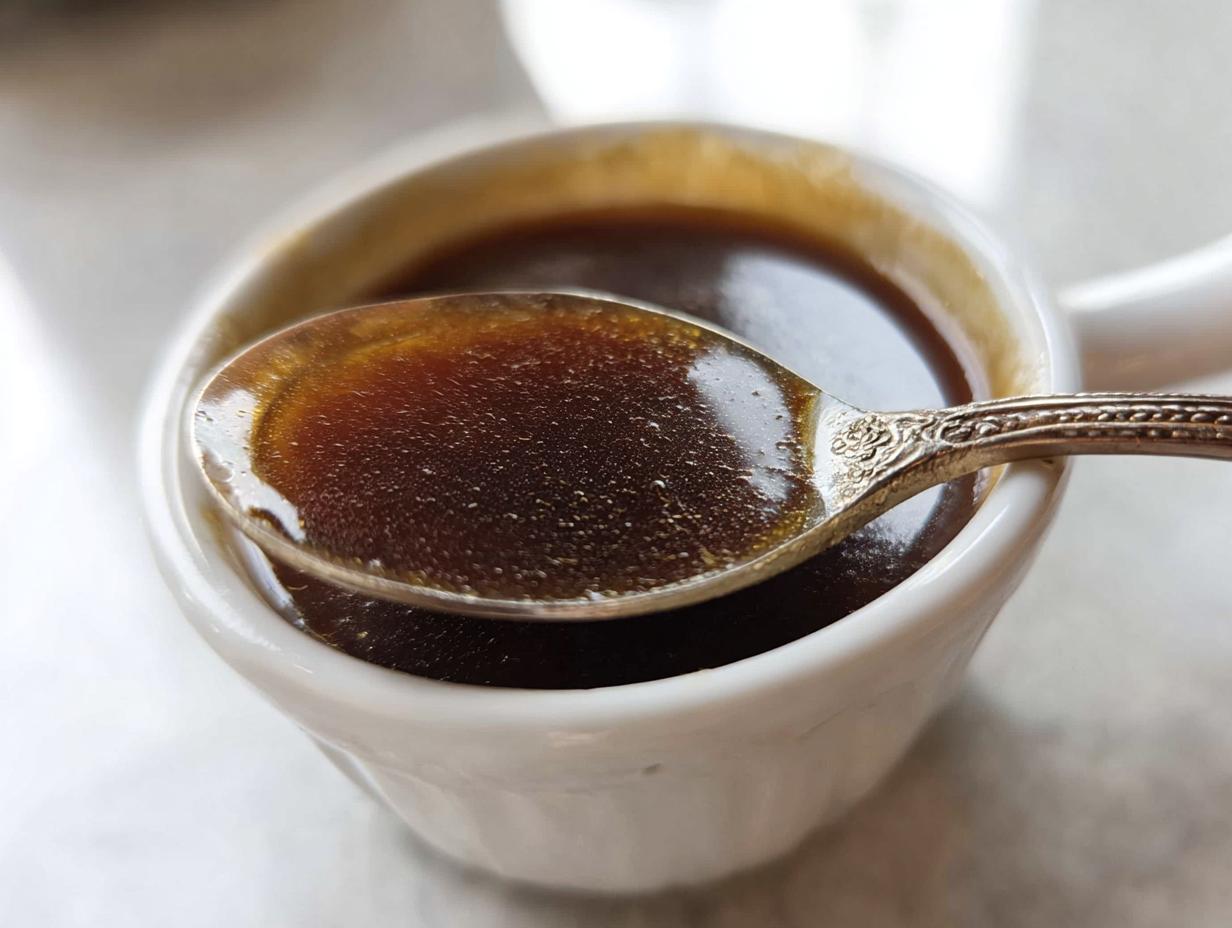
You know that moment when you have a perfectly cooked roast, maybe some beautiful prime rib, and you just pour on whatever thin liquid happens to be in the bottom of the pan? We’ve all been there! But what if I told you that just a little bit of technique can turn that watery liquid into the most amazing, savory, glossy sauce you’ve ever tasted? Mastering the classic French au jus isn’t rocket science; it’s about respecting the fond and knowing your simmer time. I learned this magic firsthand when I was experimenting, trying to nail that perfect sauce for a family dinner—it reminded me so much of my grandmother’s kitchen back home. Following these **5 Secrets to Make the Perfect Au Jus Recipe** will change how you look at roast dinners forever. Trust me, the payoff is huge!
5 Secrets to Make the Perfect Au Jus Recipe: The Foundation of Flavor
Look, making great au jus isn’t about throwing some stock in a pot and calling it a day. That liquid comes out pale and sad! The real **5 Secrets to Make the Perfect Au Jus Recipe** all boil down to technique—how you treat those basic vegetables. It’s this foundational work that makes the difference between a thin sauce and something truly luxurious. I’ve spent years refining this, thanks to merging my global cooking influences. As SIMO MIMO, Master of Global Fusion Innovation, I promise you, technique beats fancy ingredients every time when we’re talking about building deep, savory layers.
Secret 1: Building Depth with Mirepoix Browning
This is where we earn our flavor, honestly. Don’t rush this part! Your onions, celery, and carrots—that’s your mirepoix—have to go in first. You’re not just warming them up; we need them deeply, deeply browned using your butter or that lovely, cold fat from the roast. I’m talking golden brown, almost mahogany, giving us that incredible color naturally. This caramelization is absolutely crucial for the color and flavor in your **5 Secrets to Make the Perfect Au Jus Recipe**. It’s the first step, so take your time—about 15 to 20 minutes!
Secret 2: Mastering the Deglazing Technique
Once those veggies are beautifully browned, it’s wine time! Pour in that red wine and make sure you scrape up every little dark bit stuck to the bottom of your pot. That sticky stuff? That’s pure gold! We call that the fond, and deglazing with wine lifts it right into the liquid. This step directly impacts how rich your final **5 Secrets to Make the Perfect Au Jus Recipe** tastes. Don’t just dump it in; cook that wine down until it’s almost totally evaporated. You want the flavor, not the liquid!
Ingredients for Your Homemade Au Jus Sauce
Okay, now that we’ve got the flavor foundation started, let’s look at what else we need. Remember, for a truly great **Homemade Au Jus Sauce**, the quality of your liquid base matters more than anything else. If you can’t use your own roast drippings, grab the best, richest beef stock you can find—I’ve got a little guide on picking the best beef stock right here if you’re not sure which brand to trust!
We’re building this sauce in layers, so gather these bits right here:
- For the Au Jus:
- 3 tablespoons unsalted butter or chilly, rendered beef roast fat (this is for starting and finishing!)
- 1 yellow onion, peeled and medium diced—even the rough cut helps release flavor.
- 1 rib of celery, medium diced
- 1 carrot, peeled and medium diced
- 2-3 garlic cloves, just give them a good smash with the side of your knife.
- 1/2 cup red wine—use one you’d actually drink!
- 4 cups beef stock or those amazing pan drippings we talked about.
- 1 tablespoon Worcestershire sauce—this is the little kick we need.
- Sea salt and pepper, just to taste at the very end.
See? Simple ingredients, but the technique is what makes this the **Homemade Au Jus Sauce** you’ll want to make every single Sunday!
5 Secrets to Make the Perfect Au Jus Recipe: The Simmer and Strain
We’ve browned our veggies and added that wonderful wine reduction—now it’s time to build the real body of the sauce. This next part is all about patience, which is one of the main reasons this technique results in such a rich **5 Secrets to Make the Perfect Au Jus Recipe**. We add the beef stock and bring it up to a strong boil right away. Once it hits that boil, we drop the heat way down until it’s just happily simmering. If you just let it sit there lukewarm, nothing deepens!
Secret 3: Achieving the Right Reduction Ratio
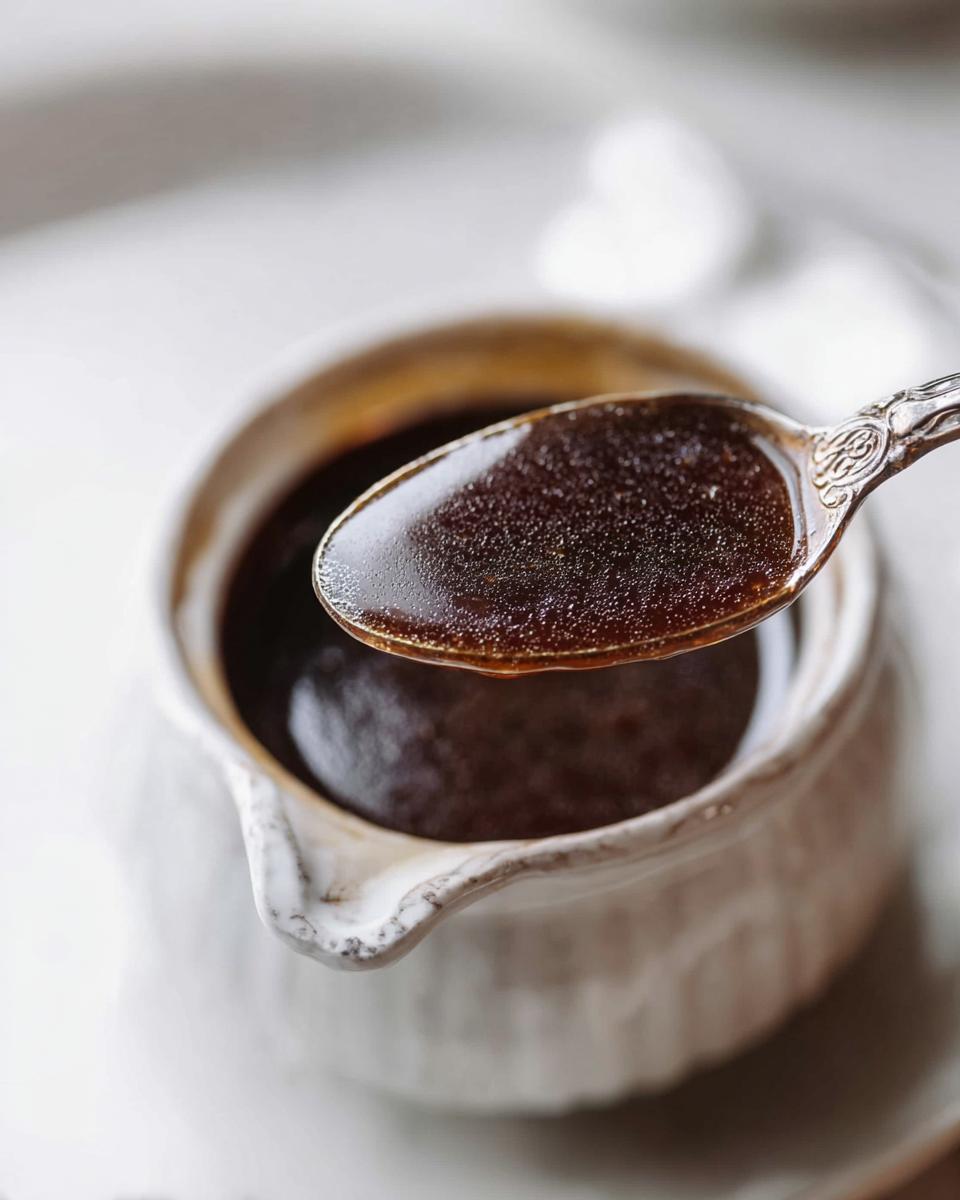
The magic here is concentration. We’re aiming to let that liquid bubble gently until it has reduced by about one-third. Seriously, don’t just guess! Reducing the liquid this much concentrates all those amazing flavors we developed from the roasted vegetables and the wine. That’s how you get an intensely flavored **Beef Broth Dipping Sauce** without resorting to flour or cornstarch. We want pure, savory liquid that coats the meat just right, not a thick, gloppy gravy!
Secret 4: The Importance of Straining for Clarity
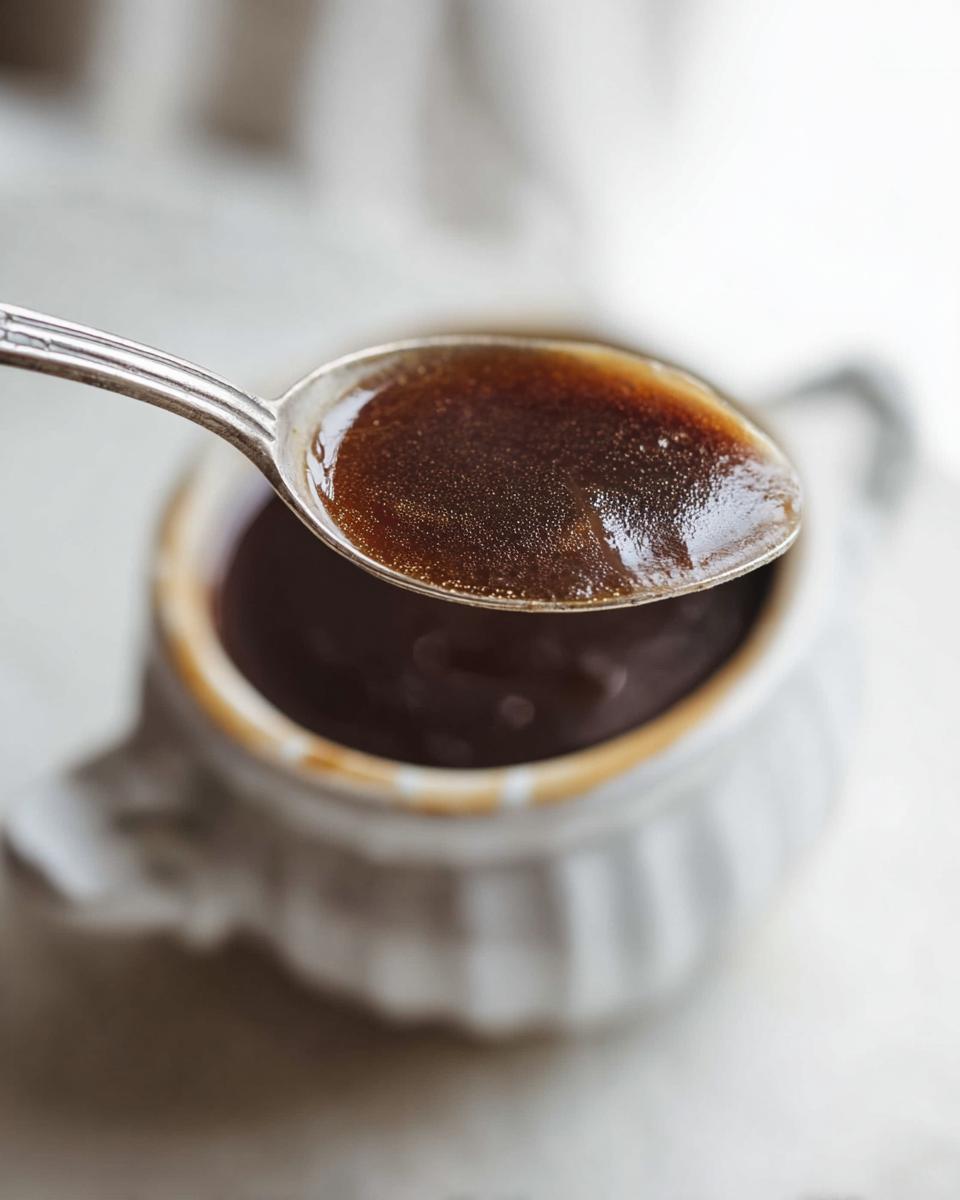
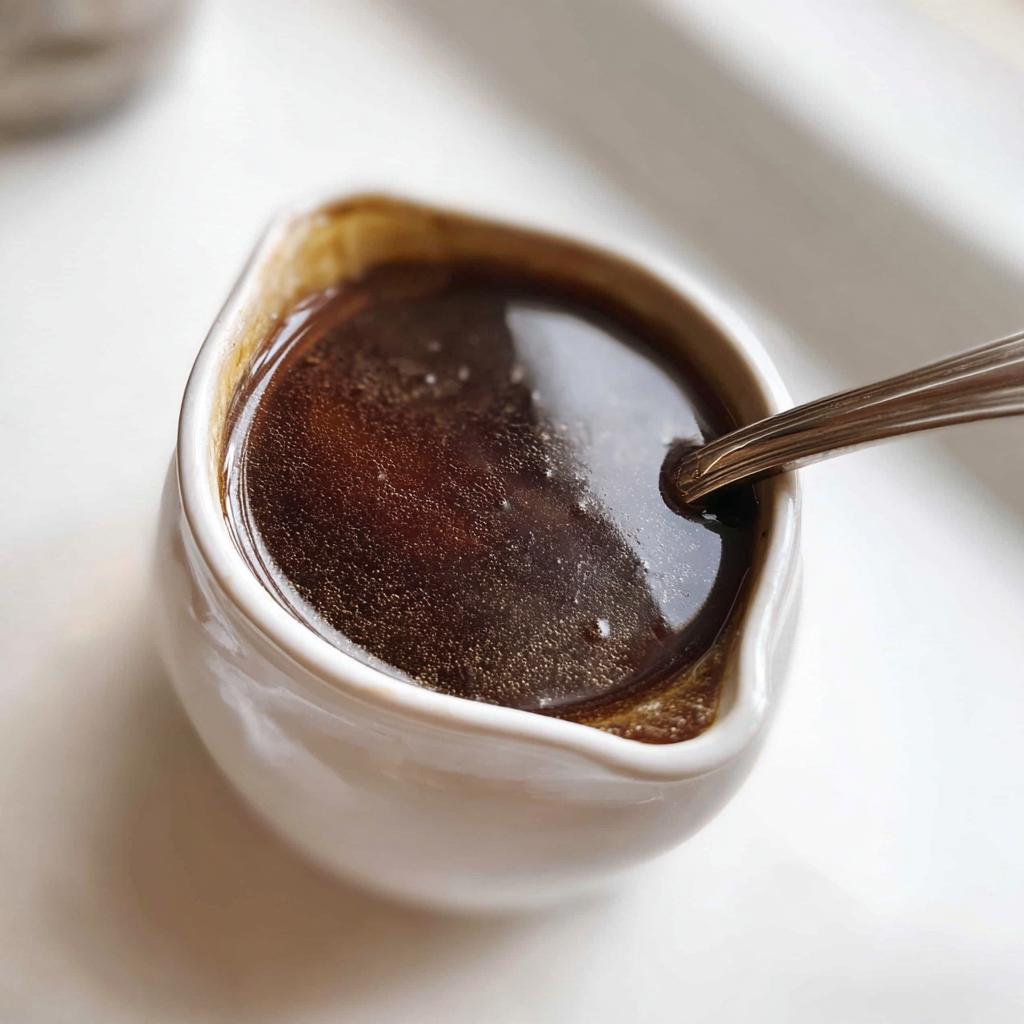
Once everything has simmered down and those vegetables are tender, you have to strain it all out. This is super important for getting that clear, beautiful sheen that signals a truly classic au jus. Remember, a true au jus, or **Best Au Jus Recipe**, is the cooking liquid itself—it’s never thickened with a roux or slurry. We strain through a fine-mesh sieve to remove every single bit of vegetable debris. We want elegance, not texture, at this stage!
How to Make Au Jus Sauce: Step-by-Step Instructions
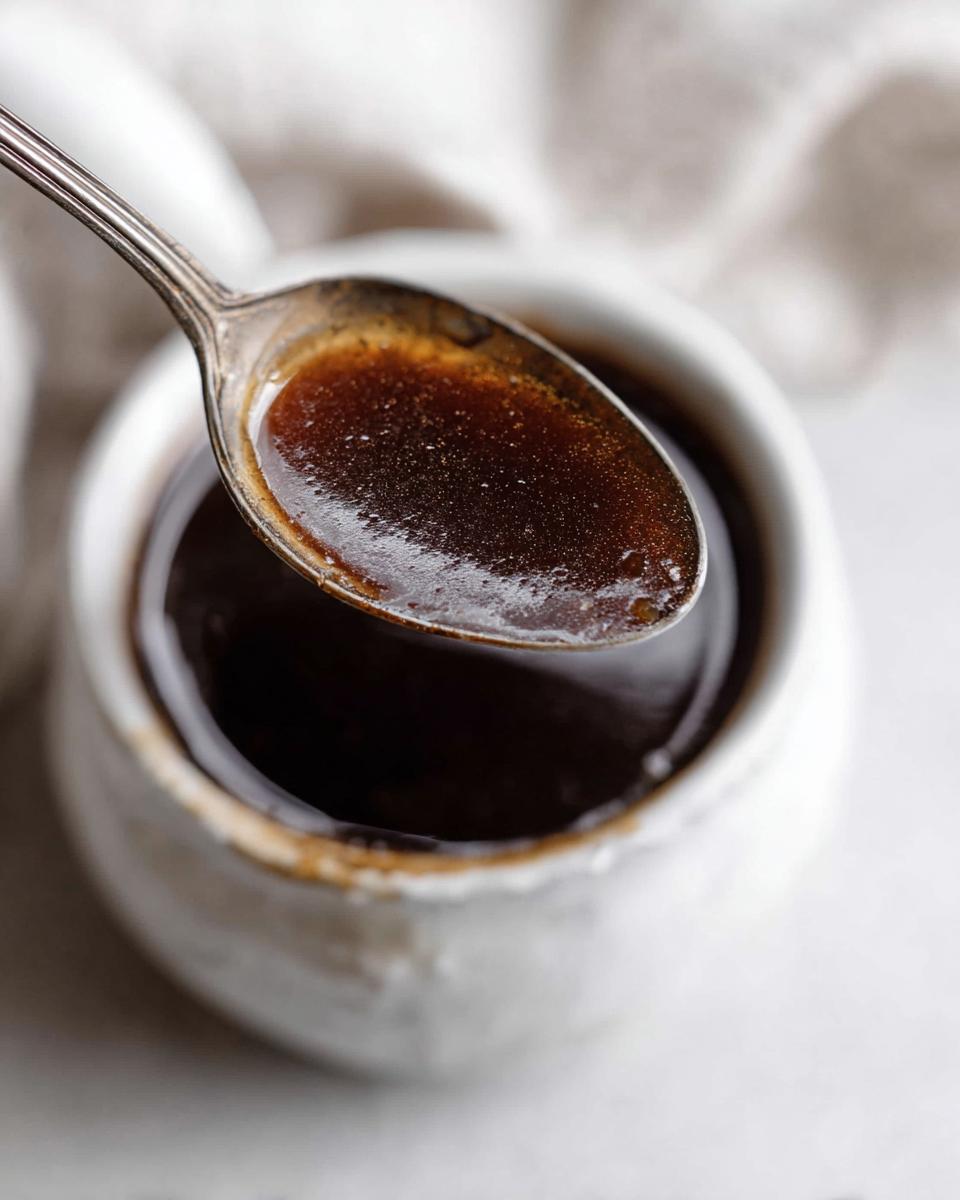
Alright, let’s put all those secrets together into a clear plan. You need to visualize this whole process in your head before you start, especially if you’re making this for a special occasion like a holiday roast using my favorite roast beef recipe—timing is everything!
Here is your straightforward guide on exactly **How To Make Au Jus Sauce**:
- First, take that large pot and get your diced onion, celery, carrot, and those smashed garlic cloves in there. Cook them over medium heat with about 2 tablespoons of your chosen fat until they are really well-browned. Don’t pull them too early; this browning takes a patient 15 to 20 minutes.
- Next step: Deglaze! Pour in your half-cup of red wine. You need to cook that wine away until it’s almost gone, scraping up all those lovely dark bits clinging to the bottom.
- Now for the liquid volume. Add in your 4 cups of beef stock or pan drippings. Turn the heat up and get it nice and rolling—bring it to a full boil.
- Once it’s boiling, drop that heat way down low and let it simmer gently for about 10 minutes. We are looking for that liquid to reduce by roughly a third here.
- Time to strain! Pour the entire mixture through a fine-mesh sieve into a clean pot. We toss out those solids.
- Finally, return that strained liquid to the heat, keep it low, and whisk in the Worcestershire sauce, salt, pepper, and that last tablespoon of butter or chilled fat. Keep it warm and glossy until you’re ready to serve!
That final seasoning step is what officially finishes your **How To Make Au Jus Sauce** journey, making it pop right before it hits the table. Keep it warm, but don’t let it boil again!
Secret 5 in 5 Secrets to Make the Perfect Au Jus Recipe: Finishing with Fat
We’ve reached the final step, and honestly, this is what separates the good au jus from the jaw-dropping au jus! Secret number five is all about texture and shine. Once you’ve strained everything out, you return that beautiful liquid to a very low heat. Now, you take a tablespoon of cold, unsalted butter—or, even better, save some of that chilled, solidified fat you skimmed off the top of your roast drippings—and whisk it in until it melts smoothly.
This fancy French technique is called monter, but you just need to know that it makes your sauce glossy and gives it a wonderful mouthfeel. It thickens it just enough without making it muddy. This small addition is absolutely the crowning touch to perfect your **5 Secrets to Make the Perfect Au Jus Recipe**. Check out this great resource for more detail on classic techniques, like making homemade beef au jus. It’s amazing how much a tiny bit of fat changes everything!
Tips for Enhancing Au Jus Flavor and Substitutions
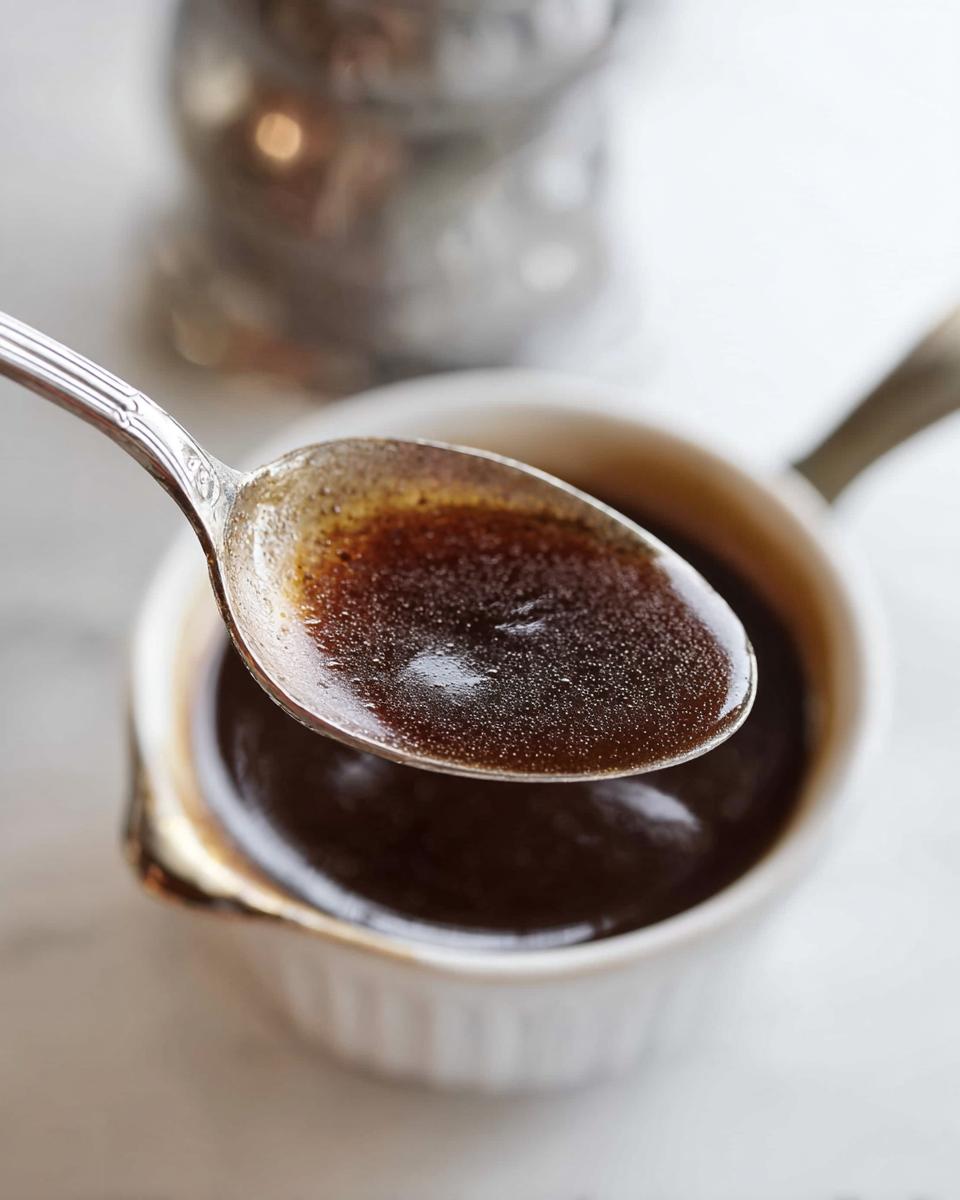
You’ve mastered the five core secrets, but making an **Aju Sauce** is also about making it *yours*, right? The recipe notes mentioned you can swap out onions—try using sweet Vidalia onions instead of yellow if you want a slightly sweeter base, or even shallots for a delicate, almost nutty flavor. That works beautifully because the stronger flavors are already built in from the browning!
Now for boosting that flavor even more while it simmers: don’t be shy with fresh herbs! I always toss in a couple of sprigs of fresh thyme and maybe a bay leaf right when I add the beef stock. Just remember to snag them out right before you strain the liquid. If you’re curious about which herbs sing best with beef, I have a little breakdown on pairing them over here. Adding fresh herbs elevates this from a simple dipping sauce to something truly special for your dinner table!
Storage and Reheating Instructions for Au Jus
Listen, sometimes you make too much of the good stuff, and that’s not a bad thing! This **Beef Broth Dipping Sauce** keeps really well, which is great when you’re feeding a crowd. You can totally prep this ahead of time, up to two whole days, and tuck it right into the fridge. Just make sure it’s cooled a bit first and stored in an airtight container.
If you want to keep it longer, pop it in the freezer—it holds up beautifully for about six months! When it’s time to serve leftovers, forget blasting it in the microwave. You have to reheat it slowly over low heat. That gentle warming keeps the texture perfect and honors all that hard work we put into the simmering and finishing steps!
Frequently Asked Questions About Au Jus Sauce
It happens! You follow a recipe perfectly, and still, a little question pops up when you’re standing over the stove. Don’t worry about it; that’s why we’re here! Cooking is all about tweaking and troubleshooting, especially when we’re trying to achieve that restaurant-quality **Aju Sauce** at home. Here are some of the things I get asked most often about this recipe.
Can I make this without red wine for my Homemade Au Jus Sauce?
Absolutely, you can skip the wine if you need to! Wine really adds depth because it concentrates those fruity, acidic notes when it reduces, but it’s not a deal-breaker. If you leave it out, you should definitely add back about a half-cup of extra good beef stock to keep your volume right. For a little bit of that acidic ‘zing’ the wine usually brings to your **Homemade Au Jus Sauce**, try adding just a teaspoon—of sherry vinegar right at the very end when you’re seasoning it. It mimics that bright flavor without changing the core taste too much.
What is the difference between Au Jus and Gravy?
Oh, that’s a classic cooking confusion! The main difference is thickness, hands down. True Au Jus, which translates roughly to ‘with juice,’ is thin, light, and relies entirely on the intensely flavored reduction of the cooking liquid and pan drippings. It’s meant to gently coat the meat, not smother it. Conversely, gravy is always thickened, usually by making a roux (cooking flour and fat together) or using a slurry of cornstarch and water. We never use those thickeners here because we want that beautiful, clear **Beef Broth Dipping Sauce**!
My sauce tastes too salty after reducing. What went wrong?
That happens all the time, and honestly, it’s because reduction concentrates *everything*, including the salt! If you used stock that was already salted, you’ve run into the **Best Au Jus Recipe** trap. The fix is actually pretty simple for a small batch like this: just add about a tablespoon or two of plain water or unsalted beef stock. Simmer that for just a minute to bring it back up to temperature. Taste, taste, taste! Always under-salt at the beginning, especially when you know you’re going to reduce the liquid.
Estimated Nutritional Snapshot for Your Au Jus
Now, I know that when you’re making something this flavorful, you aren’t thinking about macros, but sometimes it’s good to have a roadmap! This is just an estimate, mind you, because the fat content from your roast drippings can really change things up. If you use butter instead of the rendered fat, the numbers shift slightly!
For one serving of this rich **Beef Broth Dipping Sauce**, you’re looking at roughly:
- Calories: 62
- Fat: 4g
- Protein: 2g
- Carbohydrates: 4g
Remember, these are estimates derived from the core ingredients, so your final numbers for this **Aju Sauce** will depend on how much fat you choose to hold onto during the finishing step. Keep that in mind!
Share Your Success with This Au Jus Recipe
Wow, you made it! You tackled the mirepoix browning, you mastered the reduction, and you finished with that glorious cold butter—you are officially an au jus wizard now! I truly hope that **Homemade Au Jus Sauce** took your roast dinner to the next level. I live for that feedback!
When you get a chance to serve it up, please come back and let me know how it went. Did your family notice the difference between this and the pan juices you used run? Drop a star rating right here on the recipe card—it helps other home cooks feel brave enough to try the *real* way to make restaurant-quality sauce.
And hey, if you ran into a snag or if you tried a little substitution that worked brilliantly, don’t keep it a secret! Pop your question or triumph in the comments below. I’m always hovering around here, ready to chat about the best ways to make, store, or reheat this incredible **How To Make Au Jus Sauce**. Happy cooking, friend!
5 Secrets to Make the Perfect Au Jus Recipe
Ingredients
Equipment
Method
- In a large pot, roast the onions, celery, carrots, and garlic in 2 tablespoons of fat, butter, or oil over medium heat, stirring frequently, until well browned. This takes about 15 to 20 minutes.
- Deglaze with the red wine and cook until almost gone.
- Add the stock and pan drippings and bring to a boil.
- Simmer over low heat for about 10 minutes until the vegetables are tender and the liquid is reduced by about 1/3.
- Strain the au jus and return the sauce to a pot over low heat.
- Season with salt, pepper, Worcestershire sauce, and 1 tablespoon of butter or chilled rendered fat. Keep warm before serving.
Nutrition
Notes
Tried this recipe?
Let us know how it was!
Master of Global Fusion Innovation
My culinary adventure reflects my Lebanese-Italian heritage and a decade spent in the dynamic fusion restaurant scenes of Miami and Barcelona. I’ve made it my mission to prove that beloved global comfort foods can be successfully adapted for low-carb living without losing their soul, their cultural authenticity, or their ability to comfort.
With advanced training in molecular gastronomy and experience spanning Mediterranean, Middle Eastern, and Latin American traditions, I’ve developed what I call “respectful innovation” – culinary creativity that honors traditional cooking wisdom rather than replacing it. My alternative ingredient substitution systems are now taught in specialty diet cooking schools throughout the region.
Drawing from my trilingual upbringing, I understand how deeply food connects to identity and memory. That’s why my flavor-bridging techniques allow classic dishes from around the world to maintain their comforting, familiar qualities while meeting contemporary nutritional standards. I regularly share these techniques at international culinary symposiums and innovation events.
When I’m not experimenting in my Miami fusion kitchen laboratory, you’ll find me at local salsa dance venues – the rhythm and improvisation skills translate directly to my creative cooking process! My role as a foster parent to rescue rabbits has unexpectedly inspired some of my most creative plant-based low-carb innovations.
My personal low-carb journey began as a way to maintain energy for my active lifestyle, but it’s evolved into a professional mission of proving that healthy eating can be globally adventurous rather than restrictively limiting. Every recipe I create is a passport to culinary adventure, transforming kitchens into laboratories for exploring healthy versions of the world’s most beloved comfort foods.