
Oh, the holidays! Doesn’t the pressure of cooking that huge centerpiece roast sneak up on you every year? I used to be totally terrified of wasting a beautiful, expensive cut of meat. That’s why I want to share my secret weapon: making Prime Rib in a Roaster Oven — Even, Tender, Simple. Seriously, using that old roaster oven changed everything for me!
I still remember the first time I tried this. It was a chilly winter evening, and I had a house full of guests expecting the best. I was so nervous, not wanting to mess up such a gorgeous cut. But as I followed these simple roasting steps, the most incredible aroma started filling the air, and I actually felt relaxed! When I served that unbelievably tender, perfectly cooked prime rib, the smiles around the table made it all worthwhile.
That night cemented my belief that cooking your showstopper meal should feel joyful, not stressful. This method is the easiest path to restaurant-quality results right in your kitchen.
Why This Method for Prime Rib in a Roaster Oven — Even, Tender, Simple Works
You might think making prime rib is tough, but using the roaster oven completely changes the game. This is truly Prime Rib in a Roaster Oven — Even, Tender, Simple. It takes away all that guesswork that makes you nervous when you’re serving ten people!
- It keeps the heat totally consistent. That big cut of meat cooks evenly from edge to edge, which is huge!
- It frees up your main oven. Nobody wants to fight for space during the holidays, trust me on this one.
- It creates that gorgeous, deep brown crust we all want without drying out the inside.
Achieving Perfect Internal Temperature
The biggest win here is how the roaster oven manages heat. It’s an enclosed environment, so once you set that temperature, it stays put. This consistency is what lets you hit that perfect Internal Temperature every single time, which is non-negotiable if you are aiming for a beautiful Medium Rare Prime Rib. You absolutely must use a good meat thermometer here; it’s your secret weapon for expertise!
The Joy of Simple Prime Rib
Forget fussy convection settings or dealing with steam drips in your regular oven. This recipe is so straightforward. You apply the rub, you set the temperature, and you let the machine do the hard work. It builds serious confidence when you realize you can achieve such an impressive roast with very little fuss. It’s the joy of making something special without the kitchen melt-down!
Essential Ingredients for Prime Rib in a Roaster Oven — Even, Tender, Simple
Okay, let’s talk about what you need to put into your amazing roaster oven. For Prime Rib in a Roaster Oven — Even, Tender, Simple, we keep the list short but make sure every item counts. Getting quality meat is half the battle, so invest where it counts!
Gathering your items ahead of time is part of my simple prep routine. Finding the right cut is key, and once you nail that, the seasoning is just pure, delicious magic. You can check out my guide on selecting the best roasts over here: the right meat cuts.
For the Prime Rib Roast
This recipe handles about ten hungry people generously, so you need a proper piece of beef!
- 10 lb. prime rib roast: Listen, this is important—ask your butcher to remove the bones but then tie them right back onto the roast. This keeps it stable and helps insulate the meat perfectly without being attached for carving later.
For the Seasoning Paste
This is what creates that incredible savory crust so you don’t need twenty different spices. It’s simple, savory, and powerful.
- 1/2 cup unsalted butter: Make sure this is totally softened, almost mushy, so it mixes into a smooth paste.
- 1 Tbs. seasoned salt
- 1 Tbs. black pepper
- 1 Tbs. onion powder or granulated onion
- 3 cloves garlic: You need to mince or crush this really well so it spreads evenly and doesn’t burn during the first high-heat blast.
When you mix these together, you want a gorgeous, fragrant paste that you can slather all over that roast. Don’t be shy when you apply it!
Equipment Needed for Prime Rib in a Roaster Oven — Even, Tender, Simple
You might have heard that making prime rib needs special gadgets, but honestly, the star piece for this recipe is what you likely already own: your electric roaster oven! This piece of equipment is why we get such a wonderful, almost foolproof result when we make Prime Rib in a Roaster Oven — Even, Tender, Simple.
When I first started wrestling with this roast, I worried about temperature consistency, but the roaster oven keeps everything contained and steady. I found a great resource diving deep into why these ovens are perfect for large roasts over here, which you might find helpful: roaster oven breakdown.
But you do need a few other things to make sure the process goes smoothly:
- Roaster oven: This is the main event! Make sure yours is clean and you know where the “high” setting lands—usually 425°F or 450°F. It’s always smart to run it empty for 10 minutes first to make sure it heats up quickly before the roast goes in.
- Large rimmed baking sheet: We need this to mix our seasoning paste on before it goes onto the beef, and it helps catch any drips during prep.
- Medium bowl: Just for stirring together that glorious butter and spice mixture.
- Cutting board: You’ll need a sturdy one, and make sure you leave that prime rib on it for the rest period later!
- Foil: Essential for tenting the meat after it comes out of the oven so it stays warm while it rests.
That’s it! No complicated double-boiler setup or tricky water baths. Just the roast, the rub, and the magic of that contained heat doing the heavy lifting for you.
Step-by-Step Instructions for Prime Rib in a Roaster Oven — Even, Tender, Simple
Alright, here’s where the magic really happens! Don’t sweat this part; it’s just a roadmap to that perfect roast. We’re going to take this beautiful piece of beef, coat it in flavor, let it rest, and then let the roaster oven work its quiet little miracle. Remember, every minute counts, especially when it comes to checking that internal temperature later on!
Preparation and Seasoning
First thing, you’ve got to dry that roast completely. Take that 10-pound beauty out of the wrapping and just pat it all over with paper towels. We are aiming for dry surface area here! While that’s happening, mix up that garlic butter paste in your bowl—make sure that butter is soft enough to blend smoothly with the seasoning salt, pepper, and garlic.
Now, get messy! Use your fingers to spread that paste everywhere. I mean everywhere—top, bottom, sides. If you have the time, I highly recommend wrapping it loosely and chilling it uncovered for a full 24 hours. That dry brine does wonders. If you’re short on time, just let it sit on the counter for a good two hours before it goes into the hot box.
The Roasting Process: High Heat Start
Preheat that roaster to maximum power—450°F if it goes that high, otherwise 425°F is fine. Remember to put the rack inside the roaster, but do NOT add any liquid to the bottom!
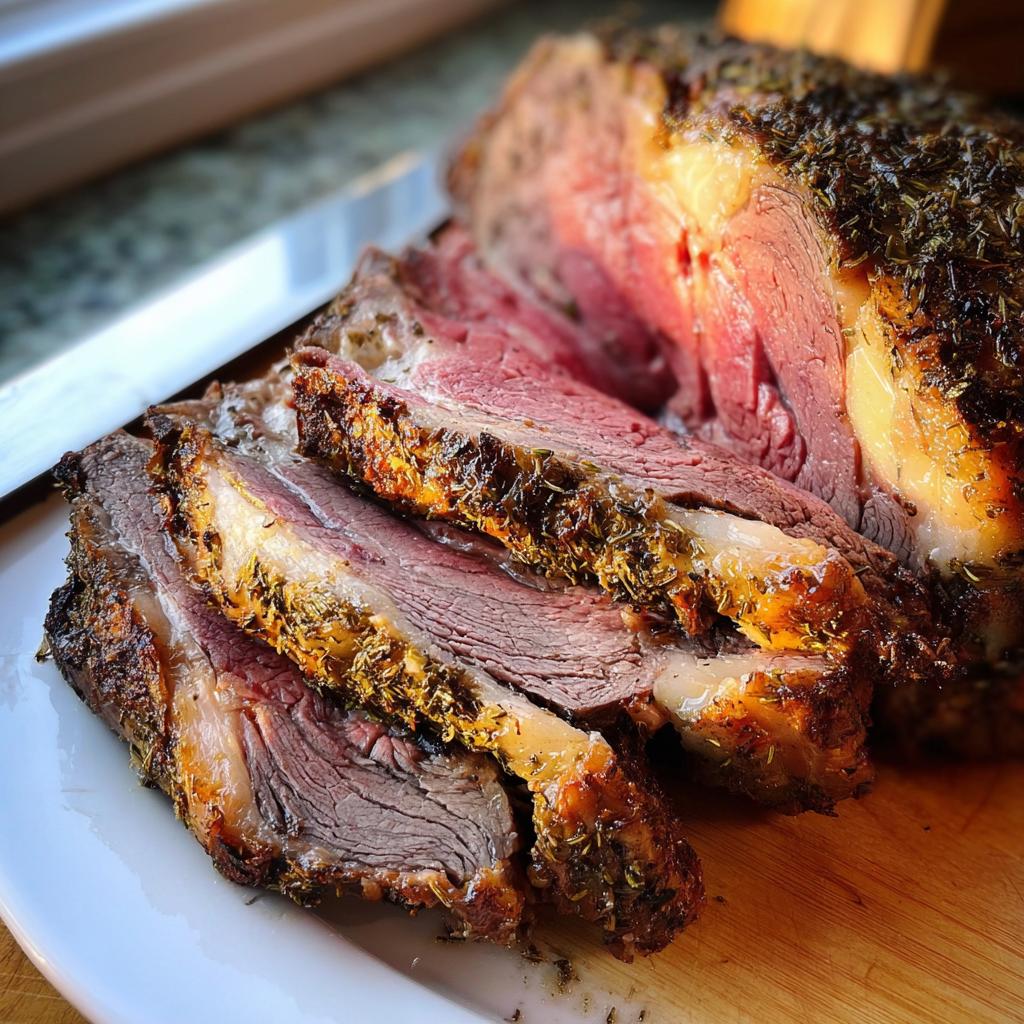
Once it’s piping hot after about 10 or 12 minutes, carefully place your prepared prime rib right onto that rack. Now, here’s the secret for that amazing crust: cover it up and let it blast on high for just 25 to 30 minutes. That initial high heat sets the exterior into a beautiful, deep brown shield. It’s crucial!

Lowering Heat and Monitoring Internal Temperature
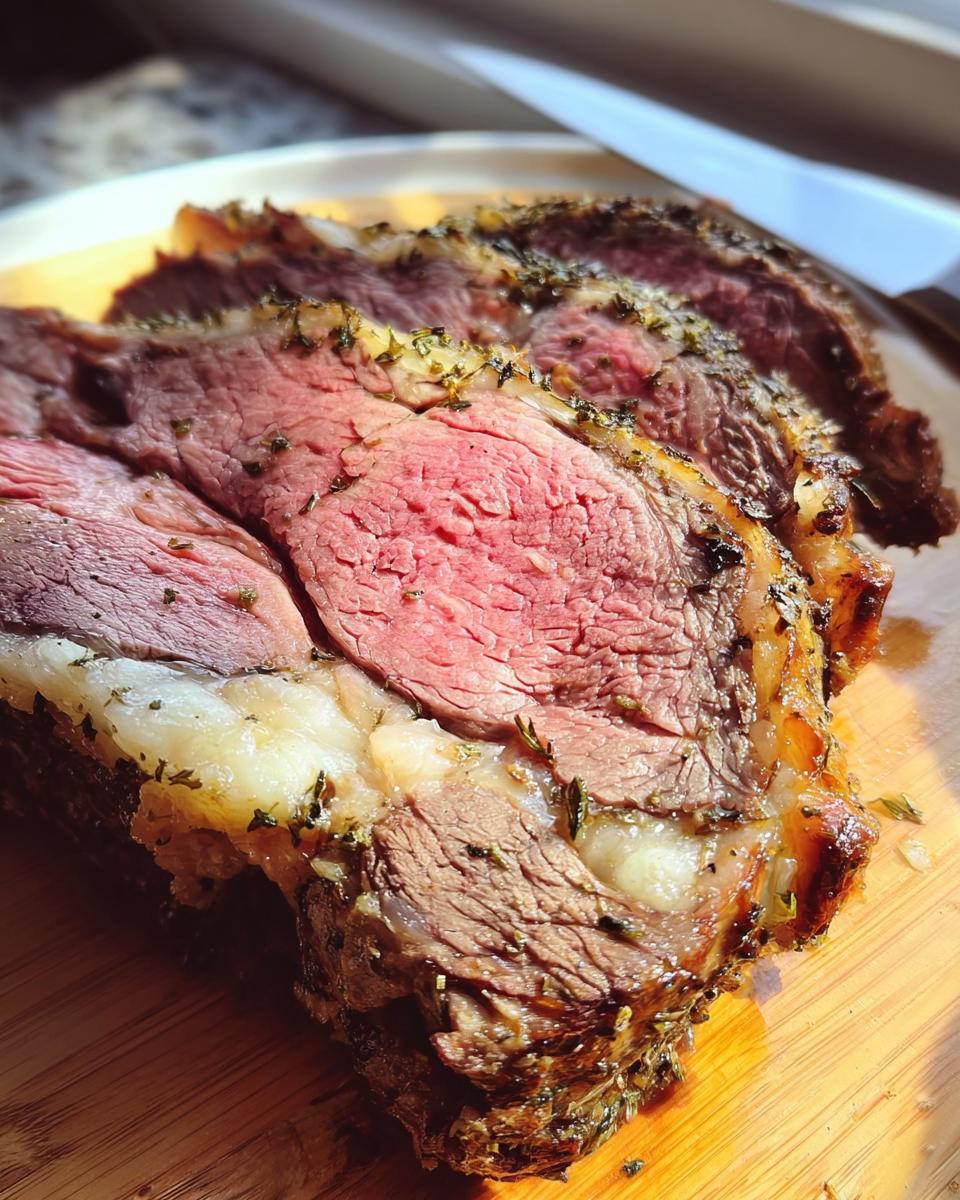
After that initial searing time, it’s time to take things down a notch so we don’t burn that crust. Drop the temperature down to 350°F. Now, it’s a waiting game, calculated at about 10 to 12 minutes per pound for a gorgeous, blushing Medium Rare Prime Rib. You absolutely must pull out your thermometer when you think it’s close. We are aiming for 125°F in the very center before we pull it out for resting.
The Critical Resting Time
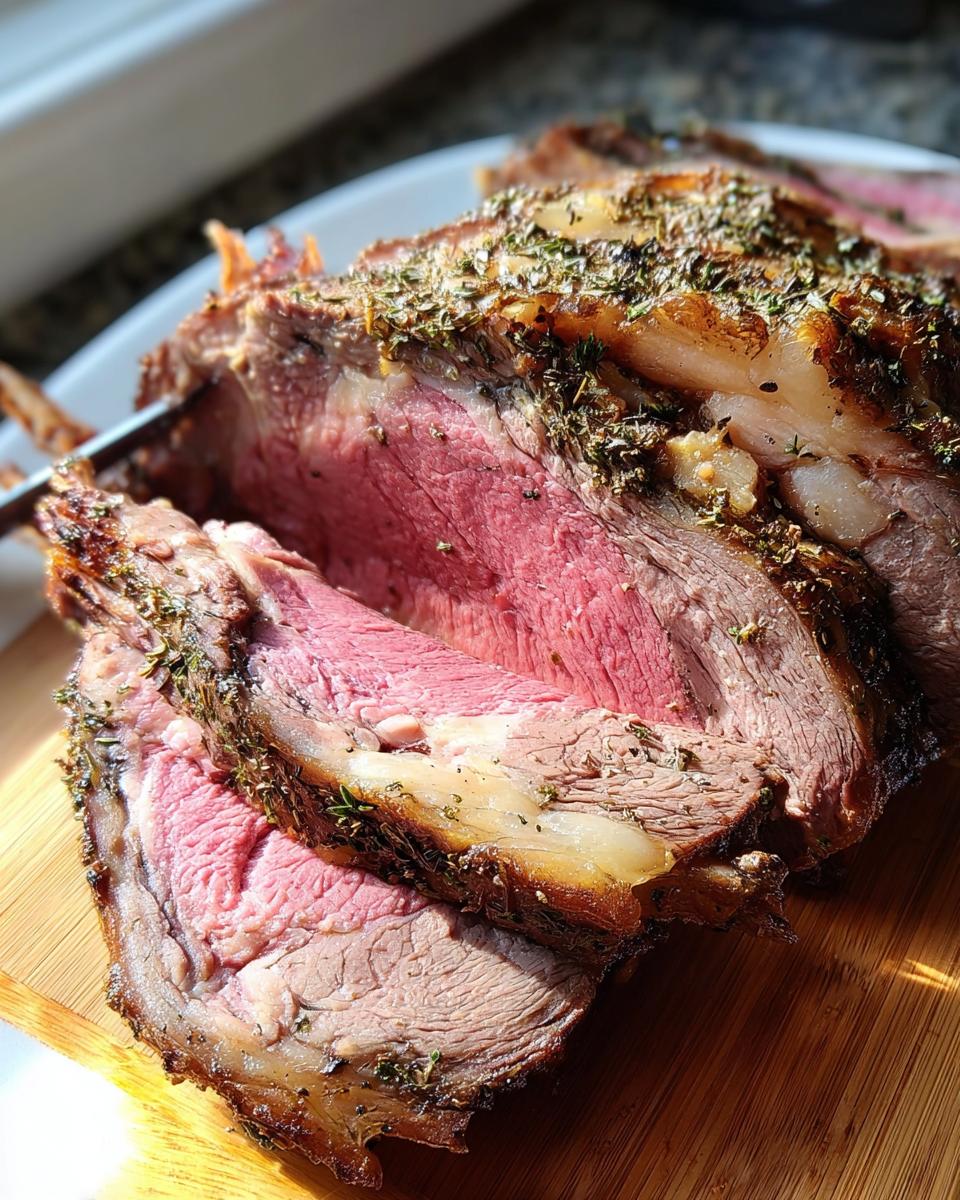
When that thermometer hits the mark, gently lift the roast out of the roaster—it’s heavy, so be careful—and place it on your cutting board. Cover it loosely with foil. Do not peek! You have to let it rest for a minimum of 15 to 30 minutes. This Resting Time isn’t negotiable; those juices that are surging need time to settle back down into the meat fibers. If you skip this mandatory resting time, all that beautiful tenderness you worked for will just spill onto the board instead of staying in your slice!
Tips for Success with Prime Rib Temperature Chart and Doneness
Getting that perfect pink center without turning your roast into shoe leather is the main challenge with prime rib, right? That’s why knowing how to read the Prime Rib Temperature Chart is my number one tip. Trust me, once you get comfortable with internal temperature, you stop worrying about brute timing and start cooking by feel. I’ve got my favorite thermometer guide linked up here if you need a refresher on how to insert it correctly: thermometer guide.
Understanding the Prime Rib Temperature Chart
You must know your target before you even think about pulling the meat out. The roaster oven continues to cook the roast after you take it out—that’s called carryover cooking! If you aren’t accounting for that, you’ll overshoot your goal every time.
Here’s the basic breakdown you need to memorize for those special moments:
- Rare: Pull it when the Internal Temperature reads 120°F to 122°F. It will climb up to about 125°F.
- Medium Rare Prime Rib: This is the sweet spot, the target for most folks! Pull it off the rack when it hits 125°F. It usually settles right around 130°F after resting.
- Medium: If you have guests who insist on more done meat, aim to pull it around 130°F so it finishes near 135°F.
I alwayserr on the side of pulling it a little early. An undercooked roast can rest back up, but an overcooked roast is just sad!

Avoiding Steaming: Why No Liquid?
I know a lot of recipes tell you to pour a cup of beef broth or water in the bottom of your roaster oven. But for this technique? Absolutely not! We are trying to roast beef, not boil it!
The entire genius of using the roaster oven this way is that it traps the dry heat efficiently, allowing that wonderful, deep brown crust to form during those first critical 30 minutes. If you add liquid, steam rises, and that beautiful crust turns into soft, pale, steamed-off beef. Remember what I said in the notes? No liquid means you keep that gorgeous texture and don’t steam the seasoned butter right off the surface!
Ingredient Notes and Substitutions for Prime Rib in a Roaster Oven
Now that you know the magic happens in the roaster oven, let’s talk about the stars of the show: the ingredients. Even though this is a “Simple” recipe, the quality of what goes into that seasoning paste really matters for achieving that tender result.
Sometimes you can’t get everything exactly as planned, right? Life happens! So, here are a few thoughts on substitutions and the beef itself. Sourcing good quality beef is half the battle for any impressive roast, and I always try to get mine from a local butcher where I can ask questions. That helps me feel confident I’m bringing home the best piece for the job!
Choosing Your Cut
If you can’t find a whole 10-pound roast, don’t panic. You can absolutely scale this recipe up or down. Just remember the cooking time is based on weight, so whatever you buy, you’ll need to adjust your cook time using the temperature chart we talked about earlier. If you have a smaller roast, you might only need half the seasoning paste, but I’d always keep that amount of butter and garlic consistent for flavor coverage.
Also, if you end up with a standing rib roast where the bones are still attached and haven’t been tied back on—no problem! Just make sure you place the roast fatty-side up on the rack. The bones act as a natural insulator, so if they are missing, the bottom might cook slightly faster, but the roaster oven generally compensates well for that.
Butter and Seasoning Swaps
If you’re out of unsalted butter, use salted, but pull back on the seasoned salt just a tiny bit—maybe a teaspoon less—and taste as you go. We want the savory notes sharp, not salty!
For the onion powder, if you happen to have fresh garlic powder instead, you can certainly use that, but use about half the amount, as garlic powder is usually more intense. I personally love the combination of all three seasonings listed because they give a classic, rich beef rub flavor that doesn’t overpower the meat itself.
If you hate garlic (I can’t imagine why!), the substitution here is easy: just leave it out. The roast will still be delicious thanks to the butter and salts, although maybe a tiny bit less punchy. It just proves how simple this base recipe truly is!
Serving Suggestions for Your Simple Prime Rib
So, you managed a perfect Prime Rib in a Roaster Oven — Even, Tender, Simple—amazing! Now that you’ve focused all your energy on that incredible roast, you don’t want to stress about serving sides that are too complicated, right? We want things that enhance that rich meat without stealing the show.
I always keep two or three classic pairings in my back pocket. These are crowd-pleasers that feel special enough for a holiday but are easy enough that you aren’t glued to the stove while your guests wait.
First off, you absolutely need a sauce to dip into. Even though the roast is juicy, a little dipping liquid makes everything better. I usually make a quick jus from the pan drippings, but you can find my favorite easy, flavor-packed recipe for a simple companion sauce here: easy roast sauce.
Creamy Mashed Potatoes
You can never go wrong with creamy mashed potatoes. They are the perfect soft texture to balance the crust of the prime rib, and they are fantastic for soaking up any small bits of au jus that escape your plate. Seriously, take the time to use real butter and heavy cream here; it’s a small step that makes a huge impact!
Roasted Asparagus with Lemon
Because the roast is so rich, you need something bright and green to cut through it. Roasted asparagus is super simple. Toss it with olive oil, salt, pepper, and a squeeze of fresh lemon juice right before serving. It takes maybe 15 minutes in the oven while the roast is resting, so it’s done right when you are ready to carve.
Yorkshire Puddings (If You Have Energy!)
If you’re feeling ambitious and you used the extra drippings from your 10-pound roast, Yorkshire Puddings are the traditionalists’ choice. They puff up into spectacular, crispy cups. If you don’t want to mess with the hot fat, though, skip them! Simple, crisp green beans tossed in some toasted almonds work just as beautifully as a side dish.
Storage and Reheating Instructions
Phew! You’ve conquered the beast, and now you have glorious leftovers. I always pray there are leftovers because cold prime rib is just as good the next day, maybe even better when you’re used to that intense heat!
The key to making sure that perfectly cooked meat stays tender is how you manage the storage. You definitely don’t want to just toss the slices uncovered into the fridge; that dries them out faster than you can say carnivore. We want to keep all that moisture we worked so hard to keep inside!
Storing Your Leftover Prime Rib
First things first, make sure you slice off what you think you’ll eat in the next couple of days, but keep the main chunk of the roast intact if it’s still large. Slicing minimizes air exposure, which is your enemy here.
- Wrap the slices or main roast tightly in plastic wrap first. I usually do two layers just to be safe.
- Then, slip that wrapped meat into an airtight container or a heavy-duty freezer bag. If you’re planning to freeze anything beyond three days, use a double layer of heavy-duty foil over the plastic wrap.
- It keeps beautifully in the refrigerator for about three to four days.
If you vacuum seal it, wow, you’re already ahead of the game! You can easily get a week out of it that way, maybe even a bit longer if it was perfectly fresh when you packed it up.
The Gentle Art of Reheating Slices
This is where most people ruin perfectly good leftovers. You cannot just microwave a slice of prime rib straight from the fridge. It gets tough and grey instantly! We need moisture therapy!
The best method is the gentle moisture bath. Grab the slices you plan to eat—don’t try to reheat the whole chunk at once. Place those slices in a shallow, oven-safe dish. You have two great options for gentle heat:
- Stovetop/Broth Method: Heat up some beef broth (or just water) in a small pan until it’s barely simmering. Pour just enough broth into your dish to cover the bottom layer of the meat. Cover the dish tightly with foil and warm it gently on the stove over very low heat until it’s just warm throughout.
- Oven Tent: If you prefer the oven, place the foil-covered dish in a 250°F oven for about 15 minutes. Slow and low, that’s the mantra here.
The goal is to warm the meat without cooking it any further. Once it’s just warm to the touch, take it out immediately. That bit of broth keeps the meat feeling like it just came out of the roaster oven. Enjoy those second-day meals!
Frequently Asked Questions About Prime Rib in a Roaster Oven
I get so many questions once people start seeing how easy this method is! Don’t worry if you’re still a little nervous about those final steps; we all were when we first tried cooking a roast this big in a roaster oven. Here are a few things folks ask me constantly about hitting that perfect result.
How long does the prime rib need to rest after cooking?
This is one place you absolutely cannot cheat, my friend! You need a mandatory Resting Time of at least 15 minutes, but honestly, for a 10-pound roast, I push for 25 to 30 minutes under foil. This time allows all those wonderful juices we cooked into the muscle fibers to redistribute evenly throughout the meat. If you slice it too soon, all that moisture rushes out, and you end up losing the tenderness you worked so hard for in the roaster oven.
Can I cook a smaller prime rib using this method?
Of course! The roaster oven works wonderfully for smaller cuts too—maybe a 3-pound roast for a small family dinner. The secret remains the same: you start with your quick high-heat blast (about 25 minutes), and then you convert to the lower temperature. Instead of using the standard chart based on 12 minutes per pound, you’ll need to scale that down. Always use your meat thermometer and check the Prime Rib Temperature Chart for your desired doneness, pulling it out when it’s 5 degrees below your target finish temp!
What is the best Internal Temperature for Medium Rare Prime Rib?
The *best* Internal Temperature for that glorious, rosy Medium Rare Prime Rib is 125 degrees F when you take it out of the hot oven. I can’t stress this enough—125°F is your pull-off temperature! Because of carryover cooking, as it rests under the foil, it will climb up another 3 to 5 degrees, landing you perfectly in the 128°F to 130°F range. That’s textbook medium rare perfection!
Share Your Success with Prime Rib in a Roaster Oven
Now that you’ve seen how shockingly simple it is to create melt-in-your-mouth roast beef using that faithful roaster oven, I desperately want to hear about it! I truly believe that success in the kitchen tastes so much sweeter when shared with people who understand the panic of cooking a big roast.
When you nail that Medium Rare Prime Rib, you deserve a round of applause!
Please don’t be shy—come back right here after you’ve carved into that beauty and let me know how it went. Did you manage to keep that internal temperature spot-on? Did the high-heat blast give you the crust you were hoping for?
- Leave a star rating below so other nervous cooks can see how easy this recipe really is!
- Seriously, snap a picture of your carving platter! Tag me on social media so I can admire that perfect pink center. Seeing your success is what makes me excited to share these family secrets.
Cooking shouldn’t be a solitary, stressful event; it’s supposed to be joyful! I’m so happy and proud that you chose this method for your special gathering. Happy cooking, and congratulations on conquering roast beef!
Prime Rib in a Roaster Oven — Even, Tender, Simple
Ingredients
Equipment
Method
- Unwrap the prime rib from its packaging and pat it dry with paper towels. Place the prime rib, fat side up, onto a large rimmed baking sheet.
- Combine the seasoned salt with the black pepper in a medium bowl. Add the softened butter and garlic, mixing well until you have a smooth paste.
- Use your fingers to spread the seasoned garlic butter all over the prime rib roast, pressing it into all the surfaces.
- If you have time, place the buttered roast into the refrigerator for 24 hours, uncovered. This allows it to season during this resting time.
- When you are ready to cook the roast, remove it from refrigeration and let it rest on the counter, uncovered, for at least 2 hours.
- Preheat your electric roaster to 450 degrees F. (If your roaster only goes as high as 425 degrees F, use that temperature). Place the rack into the bottom of the roaster.
- After 10-12 minutes, the roaster should be preheated. Place the prepared prime rib roast onto the cooking rack.
- Cover the roaster with the lid. Cook the prime rib roast on high (425-450°F) for 25-30 minutes, or until the exterior of the beef is deep golden brown.
- Reduce the roaster temperature to 350 degrees F. Continue cooking the prime rib for 10-12 minutes per pound, or until it reaches 125 degrees F. at the center. This will take about 2 more hours. Cooking time will vary depending on your electric roaster.
- Remove the prime rib from the roaster and place it onto a large cutting board. Cover the prime rib with foil and let it rest for at least 15-30 minutes.
Notes
Tried this recipe?
Let us know how it was!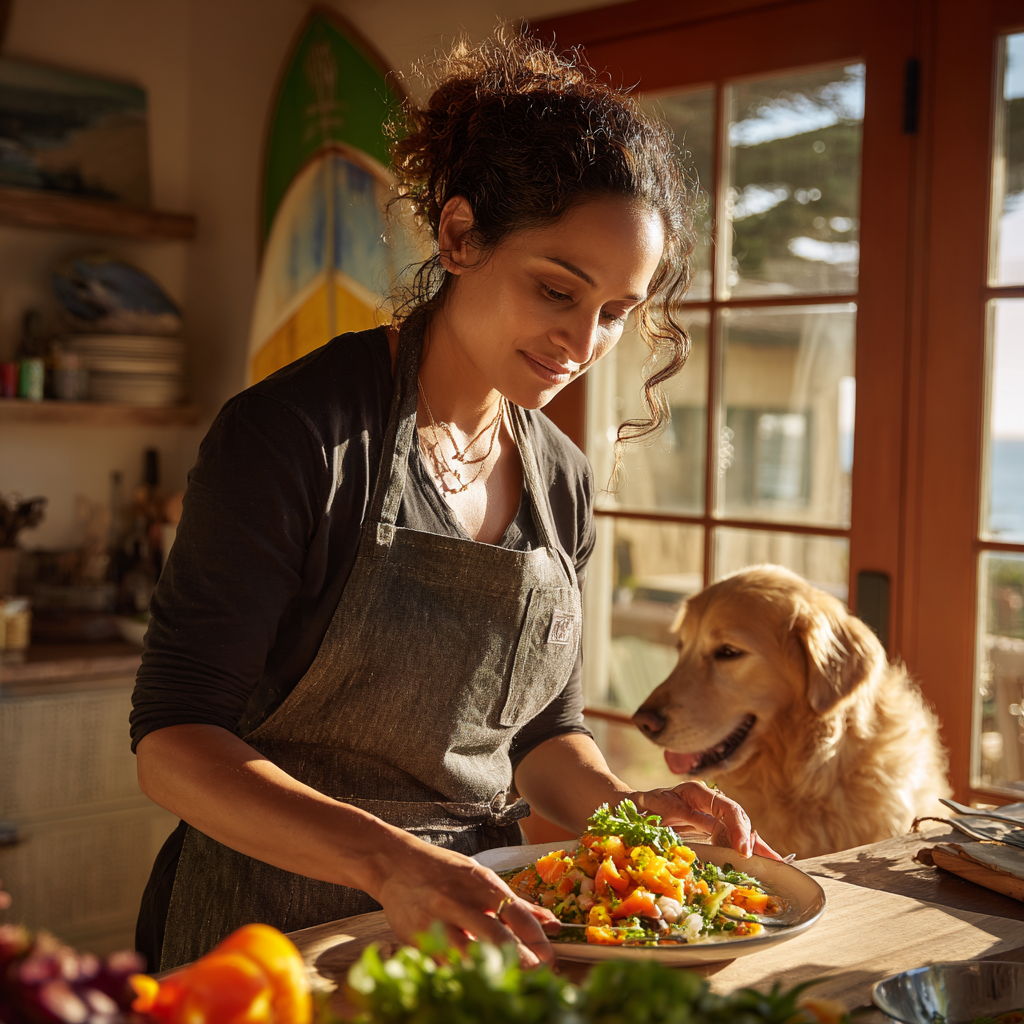
Master of Culinary Visual Arts
My culinary journey started in the fast-paced kitchens of boutique coastal restaurants throughout Southern California, where I learned that beautiful food doesn’t have to be complicated. After nine years of professional cooking, I’ve made it my mission to prove that sophisticated, nutritionally sound meals can be accessible to busy home cooks who refuse to compromise on flavor or visual appeal.
What changed everything for me was watching talented home cooks feel intimidated by healthy cooking. That’s when I transitioned to private instruction, teaching busy professionals and families how to create restaurant-quality meals using simple techniques and ingredients they can actually find at their local grocery store. My “15-minute meal” frameworks are now used by several regional cooking schools!
As a third-generation Mexican-American, I love weaving vibrant Latin flavors into low-carb creations – proving that healthy eating can be both culturally authentic and visually spectacular. My “effortless elegance” philosophy is simple: nutritious food should look as stunning as it tastes, without requiring professional chef skills or expensive equipment.
When I’m not developing recipes in my San Diego coastal kitchen, you’ll find me surfing the local breaks with my Golden Retriever mix, Mango, who’s both my kitchen companion and unofficial taste-testing assistant. My personal low-carb lifestyle started as a way to maintain energy for my active coastal life, and it’s become the foundation for proving that healthy eating enhances rather than restricts life’s pleasures.