
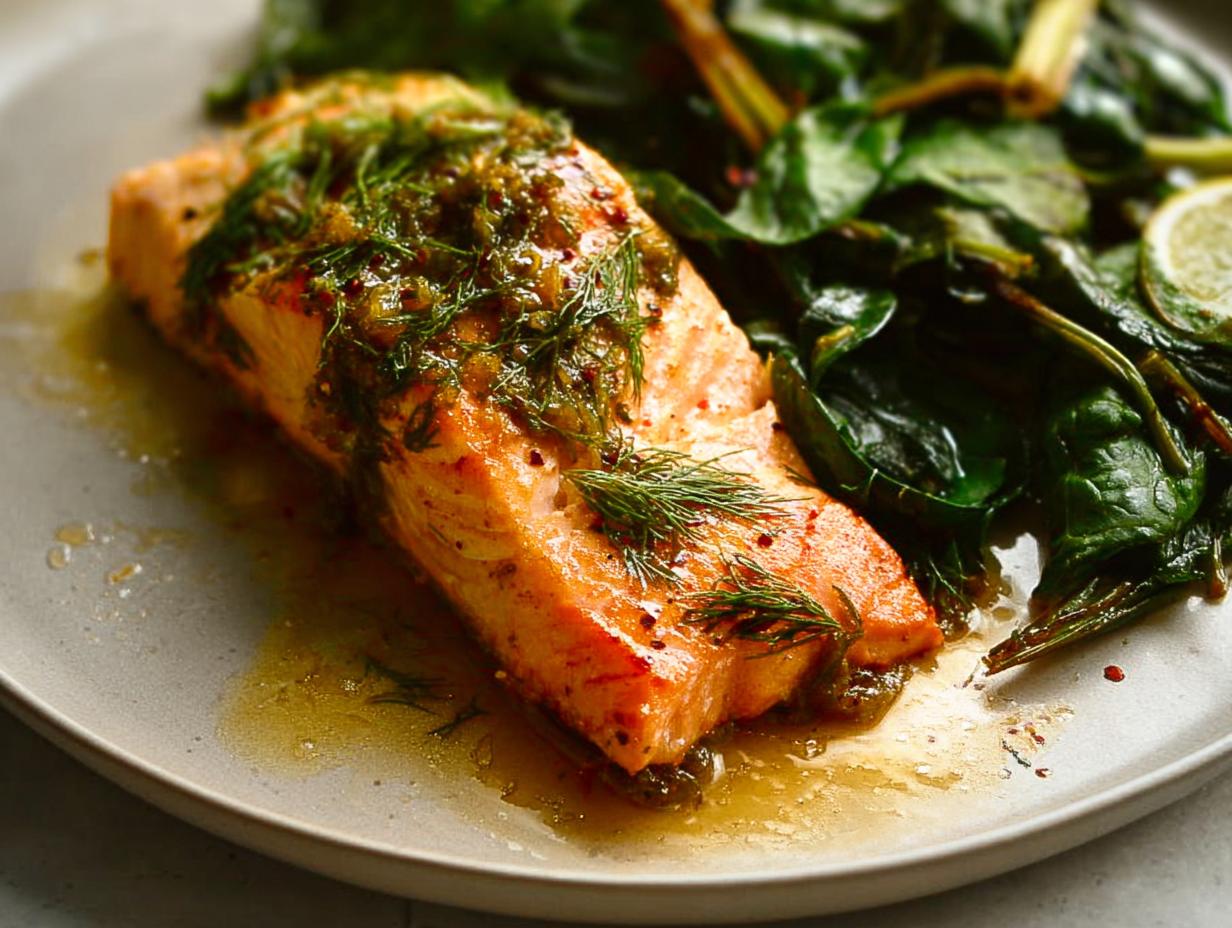
Ugh, weeknights, right? Somehow they feel faster now than they did ten years ago! There’s that familiar dread around 5 PM when you realize you need a healthy dinner on the table ASAP without making a mountain of dishes. Trust me, I’ve been there. That’s precisely why I developed my go-to solution: the incredible Maple Dijon Salmon Sheet Pan. I’ll never forget the evening I created my first sheet pan dinner; it was a whirlwind of flavors and colors while juggling my busy schedule. On a particularly hectic night, I stumbled upon the idea of this salmon bake. The simplicity of roasting everything together brought me joy—my kitchen filled with the sweet and savory aroma of maple and mustard, pulling my family together around the table. Since then, sheet pan dinners have become my safety net for busy evenings, proving healthy eating can be effortless and absolutely delicious.
Why This Maple Dijon Salmon Sheet Pan is Your New Weeknight Hero
If you’re tired of scrubbing pots after a quick dinner, this recipe is your answer! Seriously, the best part of this Maple Dijon Salmon Sheet Pan is the cleanup—or lack thereof. Everything cooks right on the pan, meaning you’re done in about 30 minutes total. It’s a lifesaver for those hectic nights. You can even use the leftovers for great Quick Meal Prep lunches!
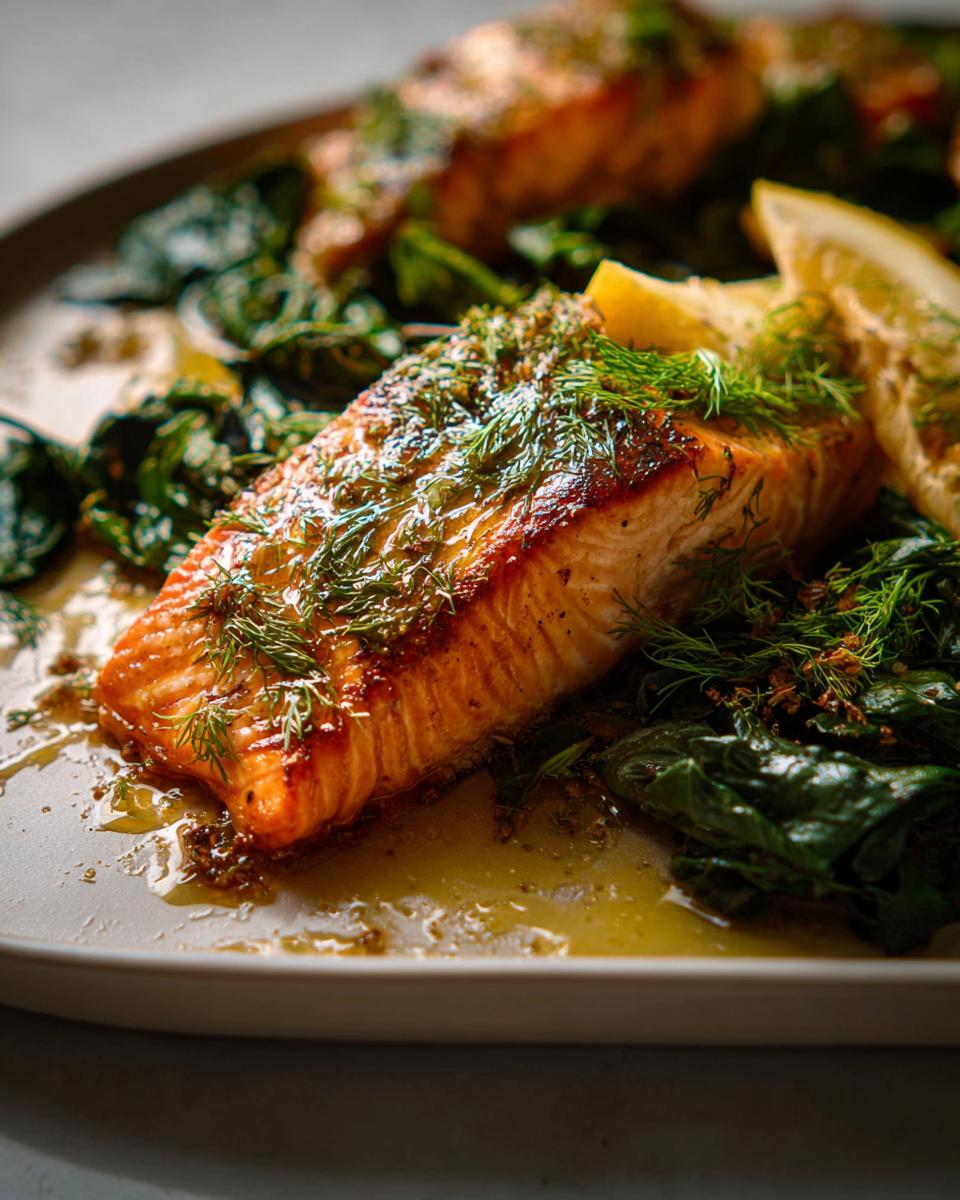
- It’s perfect for fast dinners you can rely on!
- Super satisfying and fits perfectly into a low-carb lifestyle.
- The ultimate Easy Cleanup hack—throw out some parchment paper and you are golden.
Flavor Profile of the Maple Dijon Salmon Sheet Pan
Oh, the flavor! You get this gorgeous balance that hits all the right notes. The maple syrup gives it just a kiss of sweetness—don’t worry, it’s not overly sugary—which gets perfectly cut by the assertive, zesty punch of the Dijon mustard.
Then you bring in the fresh dill and that bright hit of lemon zest. It smells incredible while it roasts, promising a tender, flavorful bite every single time. It tastes super gourmet, but only takes minutes to assemble!
Gathering Ingredients for Your Maple Dijon Salmon Sheet Pan
Getting ready for this Maple Dijon Salmon Sheet Pan is genuinely half the fun! It feels so rewarding knowing that everything you need for this amazingly healthy dinner fits right onto one sheet pan. You won’t need to visit specialty stores either; these are all core pantry items, which is why this recipe works so well for those rushed weeknights.
Let’s break down what you need. When you’re laying everything out, keep your sauce items separate from your salmon and greens. This makes that initial assembly process so much smoother. Remember, we are aiming for simplicity here!
Components for the Maple Dijon Salmon Sheet Pan Sauce
The glaze is absolutely where the magic begins, and you want to use a good quality mustard here; trust me, your taste buds will thank you! In a small bowl, we mix together two big spoonfuls of sharp Dijon mustard with one spoonful of pure maple syrup. That’s your sweet and tangy base right there.
Next, we load in the aromatics! You’ll need about a quarter cup of finely chopped fresh dill—don’t skip the fresh herbs, they make all the difference—plus, we grate in two cloves of fresh garlic. Don’t worry about using a fine grater for the garlic; it melts right into the sauce! Finally, whisk in one tablespoon of olive oil and a good grinding of fresh black pepper.
Ingredients for the Roasted Veggies and Salmon
For your star—the salmon—you need four beautiful fillets, about four to six ounces each, and make sure they are skinless so the glaze adheres perfectly. Make sure you pat them dry with paper towels; that coating needs a dry surface! Season these lightly with salt before you brush on the glaze.
We are adding a splash of liquid to the pan to create steam and keep things incredibly moist—this is often overlooked! Pour in half a cup of dry white wine, or if you prefer zero alcohol, use vegetable broth or even sake. For the greens, grab about a pound of fresh spinach or Swiss chard; you must remove those tough, mature stems and roughly tear up the leaves.
Oh, and the lemon! You’ll need one medium lemon. We zest a little right into that sauce we mixed earlier, and then we thinly slice the rest. We use two thin slices per fillet, sitting them right on the baking sheet for the salmon to rest on. It looks pretty, and it infuses the fish with amazing citrus notes as it roasts!
Essential Equipment for the Maple Dijon Salmon Sheet Pan
You won’t need your entire utensil drawer for this recipe, which is another win for the busy cook! Keeping the equipment list short means less mess and faster prep time overall. It’s all about working smarter, not harder, when you’re aiming for a perfect Sheet Pan Dinner.
First things first, you absolutely need a reliable baking sheet. I highly recommend using one that is sturdy and heavy-bottomed. If you’re looking to upgrade, I share my favorites over in my guide on best baking sheets—a good pan really does make a huge difference in even cooking.
Next, grab a small bowl. This is just for whipping up that gorgeous Maple Dijon glaze; no need to dirty a giant mixing bowl here, which helps tremendously with that Easy Cleanup we all dream about.
Finally, you need something to handle the aromatics. Since we are grating garlic and zesting that lemon right into the sauce, having a fine grater or a microplane zester handy is key. That ultra-fine texture makes sure the garlic doesn’t leave any big, sharp bits behind—it just melts into pure flavor!
Step-by-Step Instructions for the Maple Dijon Salmon Sheet Pan
If you can mix two things in a bowl and turn on an oven, you can nail this! The beauty of this Maple Dijon Salmon Sheet Pan is that everything cooks quickly, hovering around the 15-minute mark once it hits the heat. We’re keeping things super organized so you can get dinner on the table fast.
Preparing the Oven and Maple Dijon Glaze
First things first: crank that oven up to 400 degrees F (that’s 200 degrees C). We want it piping hot when the food goes in. Now, grab that small bowl we talked about. Whisk together your Dijon mustard, maple syrup, chopped fresh dill, one tablespoon of olive oil, and pepper. Then, use your fine grater to work in that garlic and layer in the lemon zest. Mix it until it looks vibrant and totally combined—this is going to flavor the whole pan!
While you’re doing that, slice up your lemon into thin rounds. You need two rounds per fillet, positioned on the sheet pan where the salmon will sit, and the rest can just scatter around to flavor the greens with that tartness. It’s so important to get that base flavored!
Assembling and Baking Your Maple Dijon Salmon Sheet Pan
Take your salmon fillets and just pat them totally dry; that helps the glaze stick! Season them with just a tiny bit of salt, and then, using a spoon or a brush, spread that gorgeous maple Dijon mixture right over the top and sides of the fish. Place each fillet right on top of its little lemon bed on the pan.
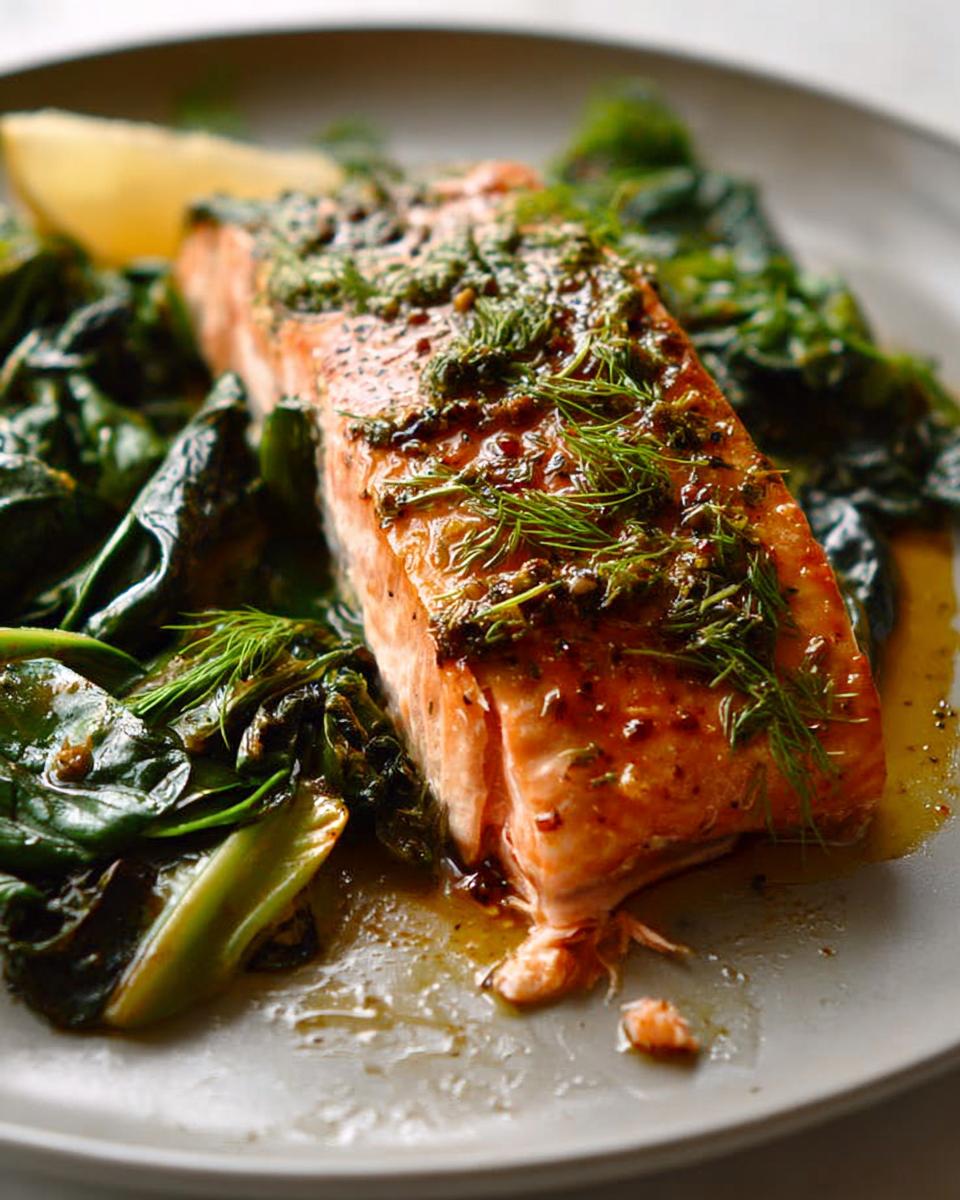
Next up, the greens! Toss your torn spinach or chard with that last tablespoon of olive oil and a sprinkle of salt. Nestle the greens right in the open spaces on the sheet pan, making sure they aren’t piled too high. Before it goes in, pour your half-cup of white wine, or broth if you prefer, onto the empty spaces of the pan. This steams everything nicely! Bake for about 12 to 15 minutes. You’ll know it’s done when the salmon flakes easily with a fork. Head over to this great New York Times resource if you want another angle on roasting greens!
Tips for Success with Your Maple Dijon Salmon Sheet Pan
Even though this Maple Dijon Salmon Sheet Pan is straightforward, a couple of tiny tweaks can take it from good to absolutely show-stopping. Since we’re using delicate fish, making sure the heat distribution is right and treating the salmon gently is key to that tender texture every time.
First, let’s talk about the skin. My recipe specifically calls for skinless fillets because the glaze sticks better and cooks cleaner. However, if you only have skin-on salmon, don’t panic! Just pop it onto the sheet pan skin-side down. The skin acts like a natural barrier, protecting the flesh underneath from getting too dry. When it’s done, the skin might stick a little, but you can easily slide a spatula underneath and remove it before serving. It’s a little extra work for Healthy Dinner Ideas, but totally worth it!
Another pro tip: Temperature matters! Make sure your oven is fully preheated to 400 degrees F before that pan goes in. If you put it in too early, the salmon will steam rather than roast, and you lose that lovely caramelization from the maple and Dijon blend.
Ingredient Substitutions for Maple Dijon Salmon
I love sharing my core recipe, but I also encourage you to make it your own based on what you have! If you don’t have spinach or Swiss chard on hand, feel free to swap them out. Heartier greens like kale work beautifully, but you might need to toss them with the olive oil about five minutes before the salmon goes in, just to give them a head start on wilting. Broccoli florets or asparagus spears are also fantastic additions for gorgeous Roasted Veggies, just arrange those on the pan first, as they take a tiny bit longer than the tender salmon.
Regarding the liquid—the dry white wine adds a wonderful little bit of acidity and depth, but if you’re avoiding alcohol or just don’t keep wine around, vegetable or chicken broth works just as well to steam things up. Even plain water works in a pinch if you’re out of broth, though the flavor won’t be quite as rich. No matter what you choose, this flavor combination remains fantastic for a speedy Weeknight meal!
Storage and Reheating Instructions for Leftover Maple Dijon Salmon Sheet Pan
One of the best things about a Sheet Pan Dinner like this Maple Dijon Salmon is that it actually tastes fantastic the next day! If you happen to have any leftovers from your quick cooking time, saving them correctly ensures they are still delicious for lunch or another super fast dinner. It’s peak Quick Meal Prep if you plan for it!
The trick with any leftover fish is speed and containment. Don’t let leftovers hang out on the counter for hours! You want to get everything into the fridge fairly quickly. Use a shallow, airtight container—don’t just toss the whole sheet pan covered in the fridge unless you plan to eat it that night!
When you pack it, try to separate the salmon pieces from the greens if you can. Greens, even if they were slightly wilted when roasted, can get really soggy once they’re stored cold. Keeping things separated helps maintain the texture you worked so hard for.
Storing Your Maple Dijon Salmon Leftovers
I always recommend using glass containers for storage if you have them. They don’t retain odors like plastic can, especially with strong flavors like Dijon and lemon. Make sure the salmon is completely cooled off before you seal the container tightly. It should keep well for about two to three days in the refrigerator. Always check your food safety guide basics, but three days is usually my personal limit for fish!
The Best Way to Reheat Your Maple Dijon Salmon
Okay, here’s the warning: Do NOT just blast this in the microwave! Microwave reheating often turns perfectly cooked salmon into rubbery little hockey pucks, and we absolutely cannot have that with this beautiful fish.
The best way to reheat is the gentle way—low and slow. You can place the salmon and the greens on a clean, foil-lined sheet pan and pop it into a low oven, maybe 275 degrees F (135 degrees C), for about 8 to 10 minutes. The gentle heat warms the glaze through without cooking the fish any further.
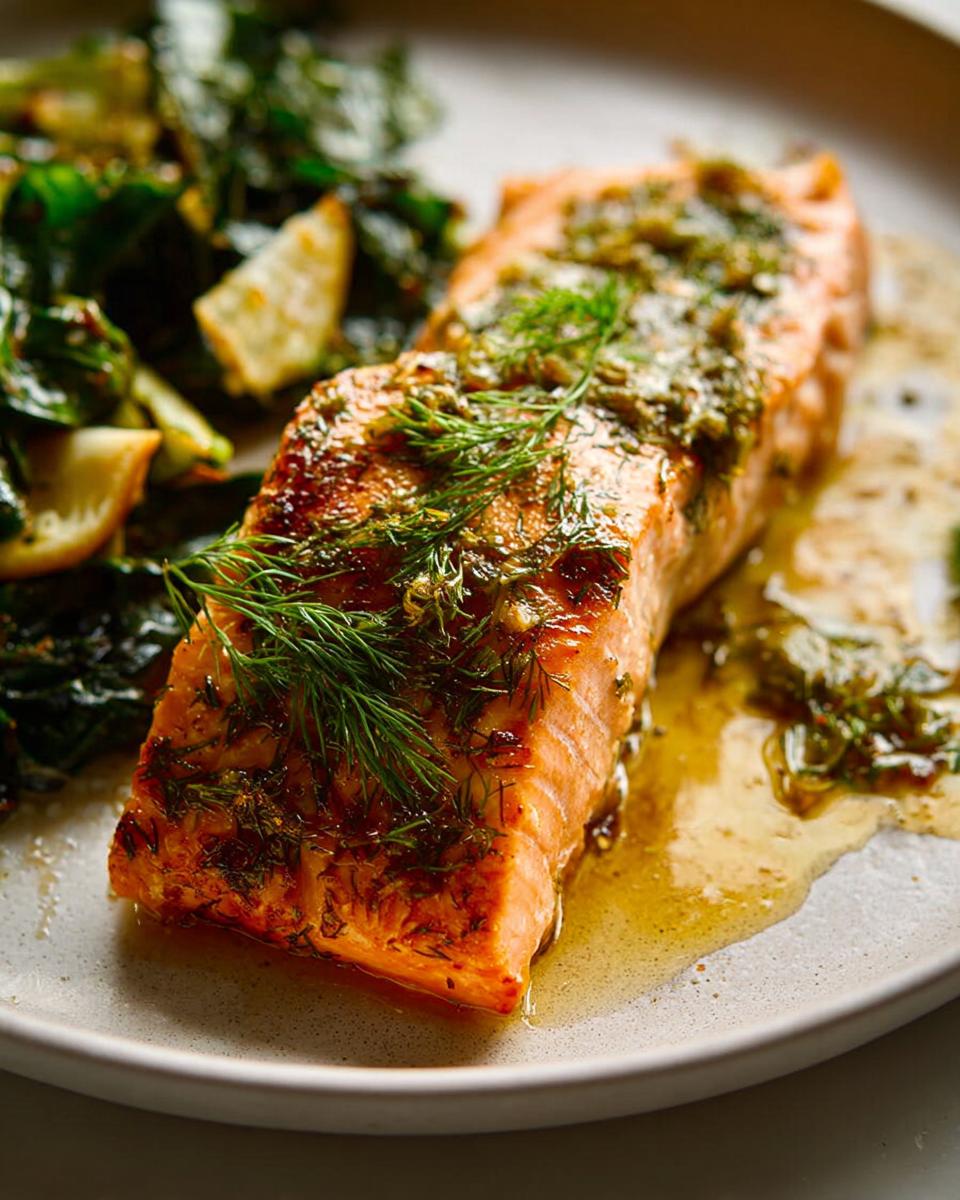
If you are really rushed, you can try microwaving in 20-second bursts on 50% power. If you do this, add just a tiny splash of water or broth to the container before covering it loosely with the lid. That steam helps keep the salmon moist while it warms up. It’s not as perfect as the oven, but it works in less than a minute!
Serving Suggestions for This Sheet Pan Dinner
This Maple Dijon Salmon Sheet Pan is genuinely robust enough to be a full meal all on its own, especially since the greens cook right alongside the fish! But if you’re feeling like you need a little something extra on the side to round out the plate or soak up that heavenly glaze, I have a few simple ideas that won’t complicate your Easy Cleanup goal.
Because the salmon and veggies pack so much flavor and richness, you want your side dish to be clean and light. I avoid anything too heavy or complicated—we’re sticking to that 30-minute weeknight victory mindset!
Here are my favorite, zero-fuss additions:
- Crusty Bread: Honestly, this is my number one suggestion. Take any good quality, crusty loaf—sourdough works beautifully—and just serve big slices on the side. Why? To completely mop up every last drop of that sweet and tangy maple Dijon sauce left shimmering on your sheet pan. Don’t let that sauce go to waste!
- Simple Quinoa or Cauliflower Rice: If you’re aiming for something grain-based that adds substance, keep it super light. Cook up a batch of plain quinoa or some quick cauliflower rice. You don’t need tons of seasoning; just let the delicious salmon juices flavor the rice when you serve it on top. It’s a great way to stretch the meal if you have hungry mouths.
- Quick Roasted Asparagus (If you want more veggies): If you didn’t love the spinach or just want more crunch, you can add asparagus! Just toss the spears with a little olive oil, salt, and pepper, and put them on the pan alongside the salmon during the last 8 minutes of cooking. They roast up perfectly crisp-tender.
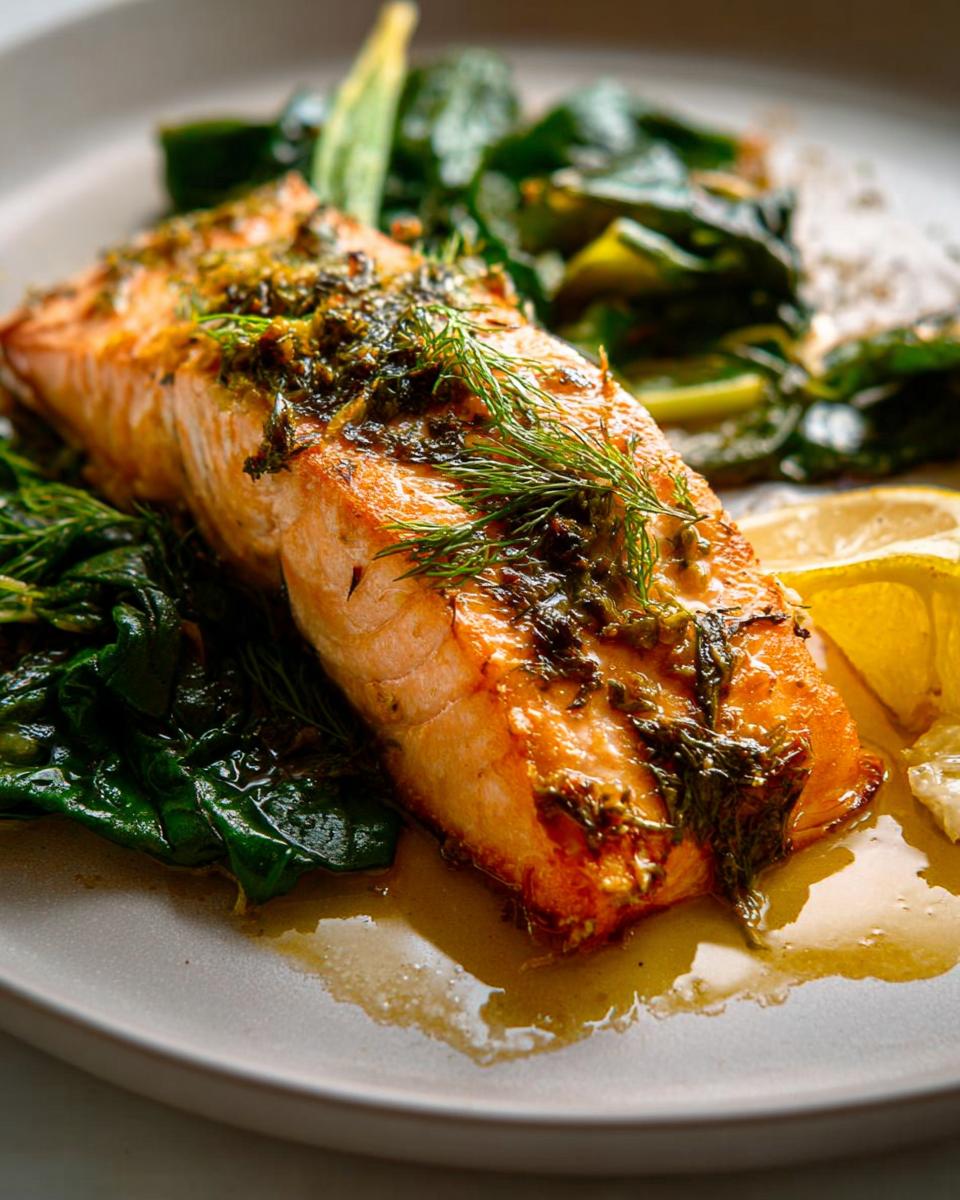
Remember, the goal of a great Sheet Pan Dinner is simplicity, so pairing it with something that requires zero extra pots or pans keeps you on track for a fast, healthy, and utterly satisfying meal!
Frequently Asked Questions About Maple Dijon Salmon
I get so many great questions about making this Maple Dijon Salmon Sheet Pan work perfectly into busy schedules! Since this is a fantastic recipe for someone prioritizing Healthy Dinner Ideas and easy prep, I wanted to tackle the most common things folks ask about before they start cooking.
How can I make this Maple Dijon Salmon Sheet Pan recipe ahead of time?
That’s a fantastic idea for maximizing your Quick Meal Prep time! You absolutely can prep elements in advance. I wouldn’t advise prepping the assembled salmon and sauce more than a few hours ahead and keeping it refrigerated, because the mustard glaze starts to break down a bit. But the sauce itself? Yes! Whisk up that maple Dijon glaze and store it in a tiny sealed jar in the fridge for up to three days. It might firm up slightly, so just let it sit on the counter for ten minutes before using.
Also, chopping the dill and grating the garlic can be done the day before. And if you’re using heartier greens, you can even wash and tear those ahead of time! When you’re ready to cook, it’s just a matter of patting the salmon dry and brushing on the pre-made sauce. Makes that 15-minute cook time feel almost immediate!
Is this recipe truly low-carb if I use maple syrup?
This is such an important question, especially since salmon is such a wonderful protein for low-carb eating! The short answer is: it depends on how strict you are tracking carbs for the day. Maple syrup is natural sugar, and while we only use one tablespoon for four servings, that still adds up.
If you are following a very strict low-carb or keto plan, you can easily swap the teaspoon of maple syrup for a teaspoon of a liquid keto sweetener, like monk fruit drops or a thin liquid sucralose product. You might need to add a tiny dash more Dijon mustard to compensate for the lost viscosity, but it works wonderfully! For general healthy eating, though, the small amount of pure maple syrup in this Sheet Pan Dinner is generally fine because it’s balanced by the healthy fats from the salmon.
Can I use frozen salmon fillets for this recipe?
I really prefer fresh salmon for this recipe because the quick 15-minute cooking time is designed for standard room-temperature fillets. However, if you must use frozen, you have to thaw it completely first. You can do this safely overnight in the fridge! Never try to cook salmon from frozen on a sheet pan, or the greens will just burn while the center of the fish stays cold and won’t absorb that amazing glaze. Thaw it, pat it bone dry, and then proceed as written for the best results!
Sharing Your Maple Dijon Salmon Sheet Pan Experience
Now that you’ve tasted the magic of this fast, flavorful Maple Dijon Salmon Sheet Pan, I truly want to hear what you think! Cooking is always a journey, and your feedback helps everyone who is new to this recipe feel more confident about tackling a delicious weeknight meal.
Did the dill and Dijon sing perfectly together for you? Did you decide to try it with asparagus instead of spinach? Don’t be shy! Jump down below and let me know how much time you saved on cleanup. I read every single comment, and sharing your triumphs—even the small ones like perfectly cooked salmon—makes my day!
If you made this and loved it, please consider giving it a quick rating right under this section. It helps other busy cooks like us find this easy, healthy dinner solution! Happy cooking, friends!
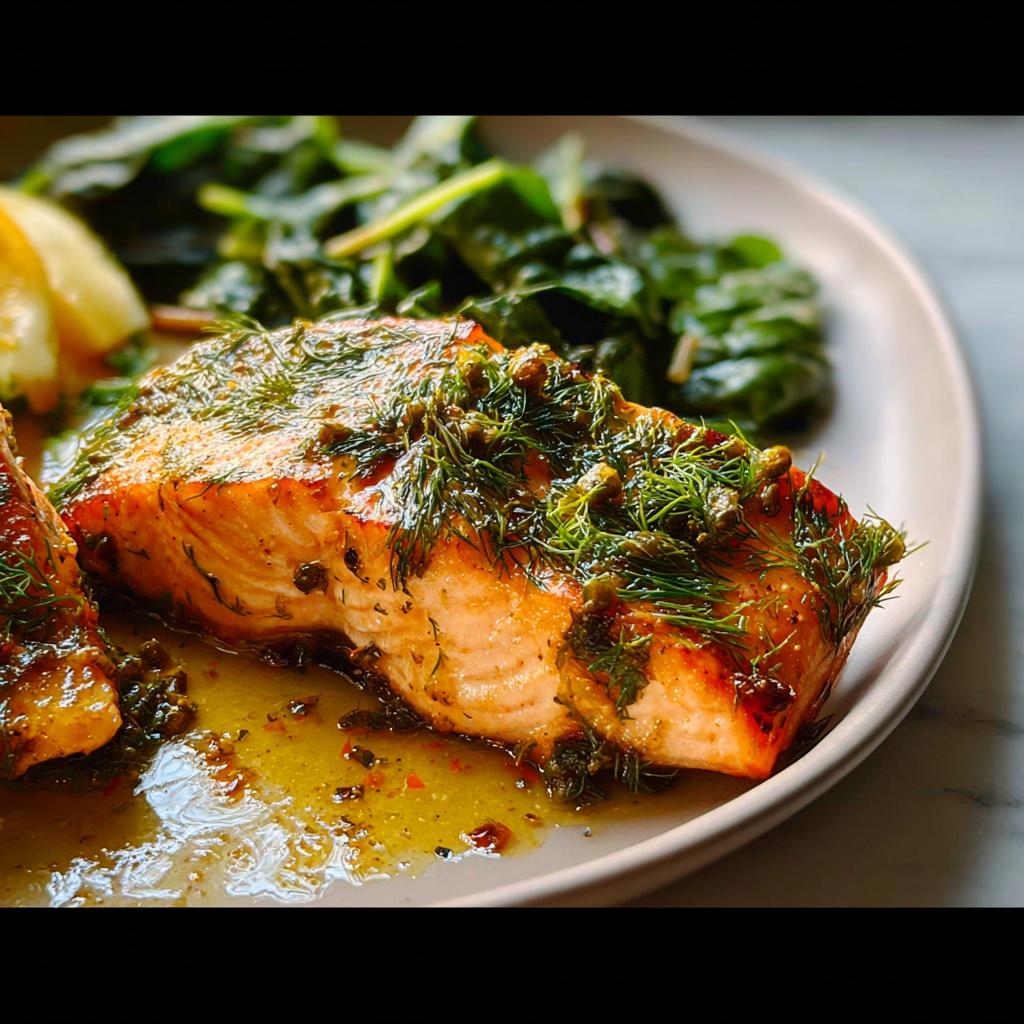
Maple Dijon Salmon Sheet Pan
Ingredients
Equipment
Method
- Preheat your oven to 400 degrees F (200 degrees C) with a rack in the center.
- In a small bowl, combine the Dijon mustard, maple syrup, chopped dill, 1 tablespoon of olive oil, and 1 teaspoon of black pepper. Grate the garlic cloves and the zest of the lemon into the bowl. Stir everything together. Thinly slice the lemon into 8 rounds, remove any seeds, and place two rounds on a sheet pan. Arrange the remaining lemon slices in pairs on the sheet pan.
- Pat the salmon fillets dry with paper towels and season them lightly with salt. Place the salmon fillets on the sheet pan, with each fillet resting on two lemon rounds. Spread the mustard mixture evenly over the top and sides of each salmon fillet. Pour the white wine (or your chosen liquid) into the sheet pan.
- Arrange the spinach (or Swiss chard) around the salmon on the sheet pan. Drizzle the greens with the remaining 1 tablespoon of olive oil and season them lightly with salt. Bake for 12 to 15 minutes, or until the greens have wilted and the salmon flakes easily when tested with a fork. Garnish with fresh dill sprigs and serve.
Notes
Tried this recipe?
Let us know how it was!
Master of Global Fusion Innovation
My culinary adventure reflects my Lebanese-Italian heritage and a decade spent in the dynamic fusion restaurant scenes of Miami and Barcelona. I’ve made it my mission to prove that beloved global comfort foods can be successfully adapted for low-carb living without losing their soul, their cultural authenticity, or their ability to comfort.
With advanced training in molecular gastronomy and experience spanning Mediterranean, Middle Eastern, and Latin American traditions, I’ve developed what I call “respectful innovation” – culinary creativity that honors traditional cooking wisdom rather than replacing it. My alternative ingredient substitution systems are now taught in specialty diet cooking schools throughout the region.
Drawing from my trilingual upbringing, I understand how deeply food connects to identity and memory. That’s why my flavor-bridging techniques allow classic dishes from around the world to maintain their comforting, familiar qualities while meeting contemporary nutritional standards. I regularly share these techniques at international culinary symposiums and innovation events.
When I’m not experimenting in my Miami fusion kitchen laboratory, you’ll find me at local salsa dance venues – the rhythm and improvisation skills translate directly to my creative cooking process! My role as a foster parent to rescue rabbits has unexpectedly inspired some of my most creative plant-based low-carb innovations.
My personal low-carb journey began as a way to maintain energy for my active lifestyle, but it’s evolved into a professional mission of proving that healthy eating can be globally adventurous rather than restrictively limiting. Every recipe I create is a passport to culinary adventure, transforming kitchens into laboratories for exploring healthy versions of the world’s most beloved comfort foods.